
Table of Contents
ToggleVintage Brown Jordan patio furniture isn’t just outdoor seating, it’s a piece of mid-century American design history that continues to command premium prices decades after production. Founded in 1945, Brown Jordan pioneered the use of extruded aluminum and tubular steel in outdoor furniture, creating pieces that married modernist aesthetics with genuine weather resistance. Today, collectors and homeowners hunt vintage Brown Jordan collections for their clean lines, structural integrity, and proven longevity. Unlike mass-market patio sets that corrode after a few seasons, well-maintained vintage pieces often outlast their modern counterparts while appreciating in value.
Key Takeaways
- Vintage Brown Jordan patio furniture combines mid-century design with industrial-quality aluminum construction, making it a durable investment that often appreciates in value over time.
- Authentication requires checking for stamped manufacturer marks, welded frame joints, and original powder-coat finishes; modern reproductions use thinner tubing and lack the substantial 8–12 pound weight of authentic pieces.
- Popular collections like Tamiami, Calcutta, and Walter Lamb pieces command strong secondary market prices ($200–$8,000 depending on condition and rarity), with the best deals found at estate sales and during off-season shopping.
- Basic restoration involves cleaning with mild soap, restrapping with period-correct vinyl, and applying protective wax annually—most vintage Brown Jordan pieces require only maintenance rather than expensive repairs.
- Styling vintage Brown Jordan furniture successfully means embracing minimalist aesthetics, using solid-colored cushions, and avoiding overcrowding to let the furniture’s clean lines remain the focal point of your outdoor space.
The Legacy of Brown Jordan: Why Vintage Pieces Hold Their Value
Brown Jordan revolutionized outdoor furniture by treating it as an extension of interior design rather than disposable seasonal decor. The company’s early collaboration with designers like Walter Lamb and Richard Frinier produced iconic collections that appear in museum collections and high-end design publications.
The construction quality separates vintage Brown Jordan from contemporary patio furniture. Extruded aluminum frames from the 1960s through 1980s used heavier-gauge material than most modern outdoor furniture, with welded joints rather than screwed connections. The powder-coat finishes applied during this era were industrial-grade, designed for commercial pool decks and resort installations.
Value retention comes down to three factors: material durability, timeless design, and limited production runs. A Calcutta or Tamiami dining set from the 1970s can sell for $2,000–$5,000 in good condition, often more than the original retail price adjusted for inflation. Certain rare colorways and discontinued patterns command even higher prices among collectors.
The secondary market remains strong because these pieces actually improve outdoor spaces rather than cluttering them. The slim profiles and geometric forms complement both period mid-century homes and contemporary architecture, making them versatile investments rather than trend-dependent purchases.
Identifying Authentic Vintage Brown Jordan Furniture
Authentication starts with the manufacturer’s mark. Genuine Brown Jordan pieces feature stamped or cast logos, typically on the underside of seats or along frame rails. Pre-1990 pieces usually display “Brown Jordan” in a specific serif typeface, sometimes with “Tamiami, Florida” or “El Segundo, California” location stamps.
Frame construction provides key identification clues:
• Welded joints at all connection points (not bolted or riveted on authentic vintage pieces)
• Seamless extruded aluminum tubing with consistent wall thickness
• Cast aluminum decorative elements with crisp detail and no flash marks from cheap molds
• Strap or mesh seats using vinyl, nylon, or later Dacron materials in signature patterns
Original finishes show age differently than reproductions. Authentic powder coat from the 1960s–1980s develops a fine patina but rarely bubbles or flakes unless subjected to severe corrosion. Look for even wear patterns on armrests and seat edges, heavy use in one spot with pristine finish elsewhere suggests restoration or refinishing.
Weight is a practical test. Vintage Brown Jordan dining chairs typically weigh 8–12 pounds due to solid aluminum construction. Modern knockoffs using thin-wall tubing feel noticeably lighter and lack the substantial feel of authentic pieces.
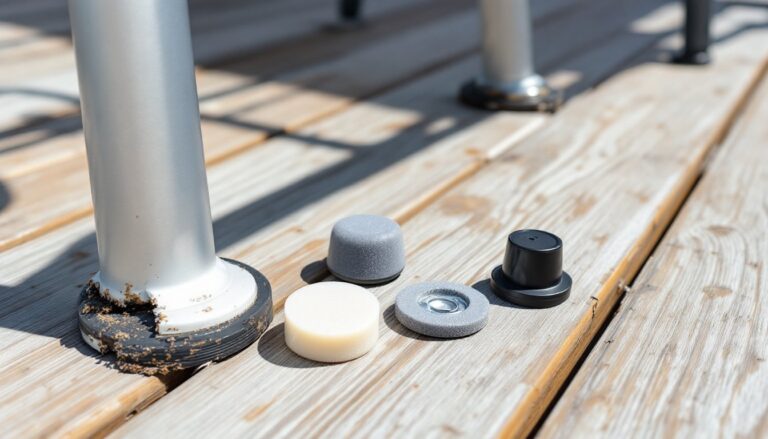
Beware of chairs with plastic glides added to the feet, originals used metal caps or rubber inserts specific to each collection. Replacement glides don’t disqualify a piece but indicate possible other modifications.
Popular Vintage Brown Jordan Collections Worth Finding
The Tamiami Collection (1954–1980s) remains the most recognizable Brown Jordan design, featuring horizontal strap seating in vinyl or later synthetic materials. The rectangular aluminum frames and simple lines define mid-century outdoor furniture. Complete dining sets with six chairs and a table start around $1,500 in average condition.
Calcutta brought woven rattan-look vinyl strapping to aluminum frames in the 1970s, creating a tropical-modern hybrid that suited Southern porches and pool decks. The tighter weave pattern and curved backs make Calcutta chairs more comfortable for extended sitting than early Tamiami models. Expect to pay $200–$400 per dining chair.
Quantum (designed by Jeff Bigelow in the 1980s) introduced angular, architectural forms that look contemporary today. The collection used wider aluminum extrusions and cantilevered designs uncommon in earlier Brown Jordan work. Lower production numbers make Quantum pieces harder to find but highly valued by collectors seeking statement pieces.
Walter Lamb Collections occupy the premium tier. Lamb worked with Brown Jordan from the 1950s through the 1970s, creating sculptural pieces from bronze or heavy-gauge aluminum tubing. His lounge chairs and chaises feature sinuous frames and woven rope or strap seats. Authenticated Lamb pieces regularly sell for $3,000–$8,000 per item.
Lesser-known collections like Kailua and Patio offer entry points for new collectors. These simpler designs lack the cachet of Tamiami but use identical construction quality and weather equally well.
Where to Buy Vintage Brown Jordan Patio Furniture
Estate sales in mid-century neighborhoods produce the best finds at reasonable prices. Areas developed in the 1950s–1970s often contain original homeowners downsizing or estates being liquidated. Arrive early, serious collectors target Brown Jordan specifically.
Online marketplaces require more vetting but offer wider selection:
• 1stDibs and Chairish curate high-end vintage furniture with authentication but charge premium prices ($300–$800 per chair)
• Facebook Marketplace and Craigslist yield bargains if you can identify authentic pieces and arrange local pickup
• eBay works for smaller items but shipping costs on dining sets make local options preferable
Specialty mid-century furniture dealers stock Brown Jordan but understand the market value. You’ll pay retail prices with less room for negotiation, though reputable dealers often guarantee authenticity and condition.
Architectural salvage yards occasionally receive Brown Jordan pieces from hotel or commercial renovations. These high-use items may need restoration but offer authentic vintage materials at below-market prices.
Timing matters, outdoor furniture sells at premium prices in spring and early summer. Late fall and winter produce better deals as sellers lose patience with unsold inventory. Many regions country-style outdoor spaces trend differently, affecting local demand and pricing.
Inspect before buying whenever possible. Photos hide frame damage, stress cracks in cast elements, and poor-quality repairs. If buying unseen, request detailed photos of all joints, the manufacturer’s mark, and any damaged areas before committing.
Restoring and Maintaining Your Vintage Brown Jordan Pieces
Most vintage Brown Jordan aluminum requires minimal restoration beyond cleaning and restrapping. Start with a thorough wash using mild dish soap and a soft-bristle brush, avoid pressure washers that can damage original finishes. Stubborn oxidation responds to white vinegar or a dedicated aluminum cleaner, but test in an inconspicuous spot first.
Restrapping brings worn pieces back to full function. Original vinyl strapping has long been discontinued, but several suppliers offer period-correct replacements in standard 2-inch widths:
- Measure existing strap lengths before removing damaged material
- Order strapping with a small excess, vinyl stretches slightly during installation
- Use a heat gun (low setting, 300°F) to soften vinyl for easier threading through frame slots
- Maintain even tension across each strap to prevent sagging
- Secure ends with aluminum screws and finishing washers, or tack-weld if you have access to a TIG welder
Powder coating offers permanent refinishing for frames with extensive finish damage. Professional powder coating runs $150–$300 per chair but provides a factory-quality finish in original or custom colors. DIY powder coating requires specialized equipment, this is one job better left to professionals unless you already own a curing oven.
Minor frame damage often repairs without professional help. Small dents in aluminum tubing can be filled with marine-grade epoxy putty, sanded smooth, and touched up with matching spray paint. Cracked welds require aluminum welding, not a DIY job unless you have TIG welding experience and equipment.
Routine maintenance extends piece longevity:
• Store cushions and remove standing water after rain
• Apply automotive paste wax annually to protect powder-coat finishes
• Tighten any mechanical fasteners each season
• Cover or store furniture during extended freezing weather to prevent frame stress
Avoid placing vintage pieces directly on soil or grass, constant ground moisture accelerates frame corrosion even on aluminum. Use patio pavers, decking, or gravel bases to ensure drainage beneath furniture legs.
Styling Your Outdoor Space with Vintage Brown Jordan Furniture
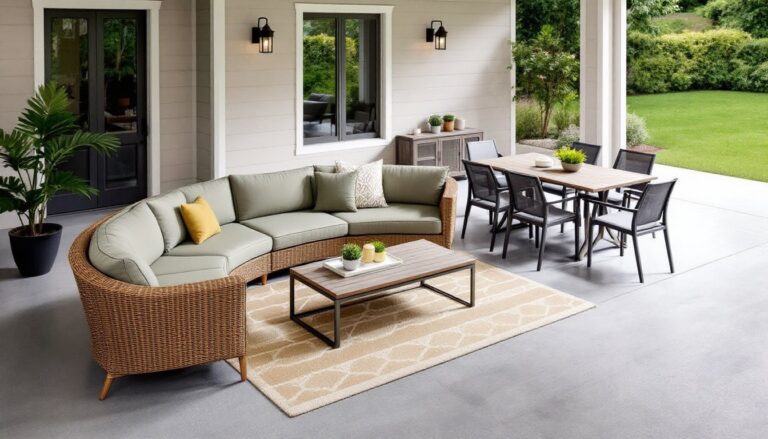
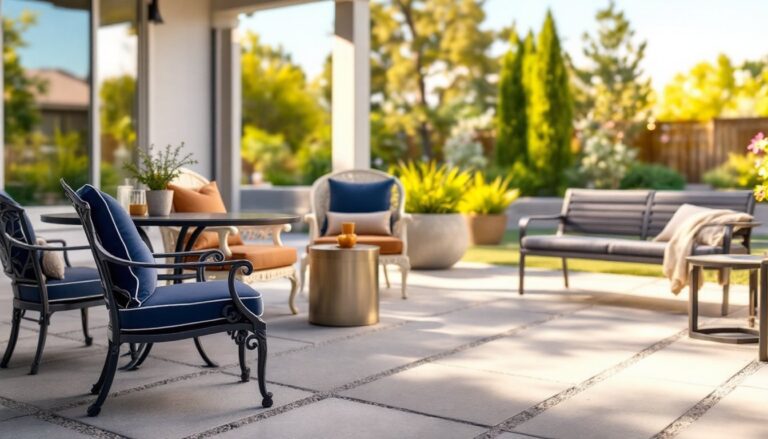
Vintage Brown Jordan’s clean lines anchor outdoor spaces without competing with landscaping or architecture. The furniture functions as a neutral framework, let cushions, plantings, and accessories provide color and pattern.
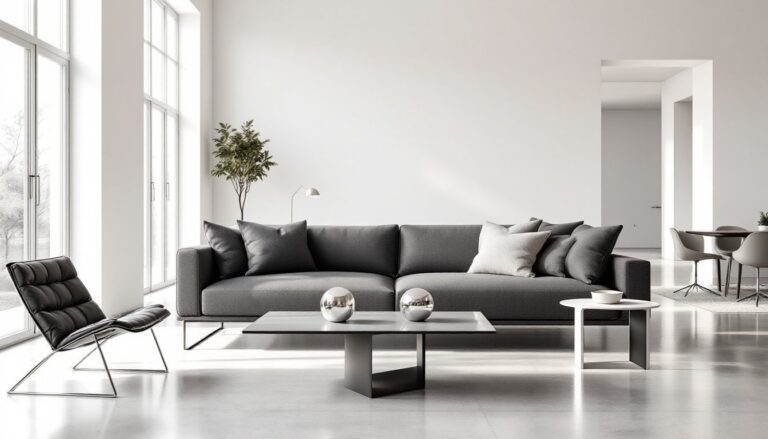
Scale matters more outdoors than inside. A four-chair Tamiami dining set suits compact patios and balconies, while sprawling pool decks can accommodate full lounge arrangements with chaises and side tables. Avoid overcrowding, mid-century design principles emphasize negative space and sight lines.
Cushion selection updates vintage pieces without compromising authenticity:
• Solid Sunbrella fabrics in neutral tones maintain the minimalist aesthetic
• Geometric patterns echo mid-century design without feeling costumey
• Avoid overly thick cushions that hide the furniture’s structural lines
Mix collections carefully. Tamiami and Calcutta pieces share design DNA and combine well. Quantum’s angular forms work solo or paired with other 1980s-era modernist pieces. Walter Lamb’s sculptural work demands space to be appreciated, don’t crowd it with competing furniture.
Lighting design complements vintage outdoor furniture when kept simple. String lights, minimalist pathway fixtures, and recessed deck lighting suit the period better than ornate lanterns or Edison bulb chandeliers. For detailed outdoor lighting approaches, consider fixtures that highlight plantings rather than the furniture itself.
Plant containers in simple shapes and neutral colors keep focus on the furniture’s form. Oversized concrete or fiberglass planters in gray or terracotta echo mid-century landscape design. Avoid busy patterns or rustic wood containers that clash with aluminum’s industrial character.
Umbrella selection requires attention, many vintage Brown Jordan tables include center umbrella holes sized for standard 1.5-inch or 1.875-inch poles. Choose umbrellas in solid colors with simple canopy shapes rather than scalloped edges or striped patterns that fight the furniture’s geometry.
Conclusion
Vintage Brown Jordan furniture delivers what most outdoor furniture promises but fails to provide: genuine longevity, timeless design, and investment-grade value. The combination of industrial-quality materials, classic mid-century aesthetics, and proven weather resistance makes these pieces practical choices rather than nostalgic collectibles. Homeowners willing to hunt for authentic pieces and invest in basic restoration gain outdoor furniture that improves with age instead of degrading with each season.