Table of Contents
ToggleBistro sets bring café-style charm to small outdoor spaces without the footprint of a full dining set. They’re compact, versatile, and perfect for morning coffee or an evening glass of wine. But choosing the right one means understanding materials, sizing for your space, and knowing what’ll hold up through seasons of sun, rain, and temperature swings. This guide walks through what separates bistro sets from other patio furniture, which materials deliver the best durability, and how to pick a set that fits both your space and your maintenance tolerance.
Key Takeaways
- Bistro sets combine café-style charm with space efficiency, fitting perfectly on balconies, side yards, and small patios where full dining sets won’t work.
- Material choice is critical: wrought iron offers classic durability but requires rust maintenance, aluminum provides lightweight rust-free performance, while teak and quality resin wicker deliver natural aesthetics with less upkeep than untreated wood.
- Proper sizing requires measuring 5×5 feet of space for a 24-inch table and 6×6 feet for a 30-inch table to ensure comfortable chair clearance and walkway access.
- Match bistro set styles to your home’s architecture—traditional metal for classic homes, contemporary designs for modern spaces, and wood or wicker for cottage and farmhouse settings.
- Regular maintenance extends lifespan significantly: wash metal sets every few weeks, apply protective finishes to wood seasonally, and vacuum wicker regularly to prevent moisture damage and deterioration.
What Makes Bistro Sets Different from Other Patio Furniture
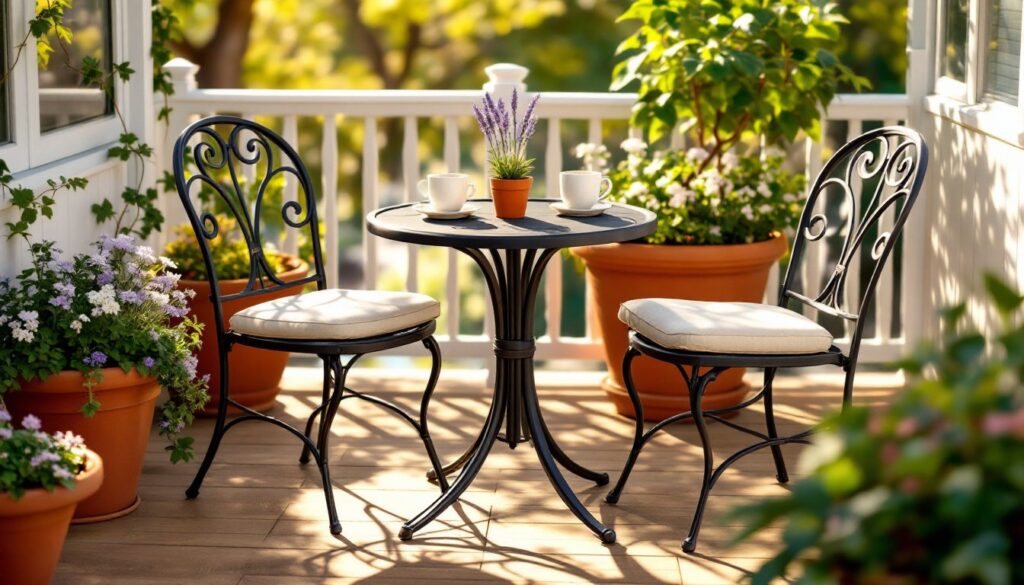
A bistro set typically includes two chairs and a small round or square table, sized for intimate seating rather than family gatherings. The table diameter usually runs 24 to 30 inches, just wide enough for two place settings and a centerpiece.
Unlike full-scale dining sets with six or eight chairs, bistro sets prioritize space efficiency. They fit on apartment balconies, narrow side yards, front porches, and awkward corners where a standard table won’t work. The scale makes them easy to move, store, or rearrange as needed.
The design roots trace back to 19th-century Parisian café culture, which explains the common round pedestal tables and curved metal chairs. Modern versions expand beyond that classic look, but the core sizing and two-person configuration remain standard.
Bistro sets also tend to be lighter than sectional seating or lounge furniture. Most weigh 30 to 60 pounds total for the set, making them manageable for one person to reposition or bring indoors before a storm. That portability is a key advantage for renters or anyone who likes to refresh their outdoor layout.
Best Materials for Patio Bistro Sets and Their Durability
Material choice determines how long a bistro set lasts, how much upkeep it demands, and whether it survives your climate. Each option carries trade-offs in weight, rust resistance, and maintenance.
Metal Bistro Sets: Wrought Iron and Aluminum Options
Wrought iron delivers classic bistro style with serious weight, typically 40 to 70 pounds for a three-piece set. That heft keeps it stable in wind, but it’s a bear to move. Wrought iron resists warping and handles high heat without damage, making it ideal for sunny patios. The main enemy is rust. Even powder-coated finishes eventually chip, and bare metal oxidizes quickly in humid or coastal climates. Plan to touch up chips with a rust-inhibiting metal primer and outdoor enamel every couple of years.
Aluminum offers the same metal aesthetic at a fraction of the weight, usually 20 to 35 pounds for a set. It won’t rust, though it can corrode (white oxidation) in salt air. Look for sets with an anodized or powder-coated finish for extra protection. Aluminum dents more easily than iron, so avoid it in high-traffic areas where chairs get knocked around. It’s the best pick for balconies with weight limits or anyone who wants to store furniture seasonally without straining their back.
Both metals heat up in direct sun. If the set sits in full exposure, consider cushions or a tablecloth to keep surfaces touchable during peak afternoon hours.
Wood and Wicker Alternatives for a Natural Look
Teak, eucalyptus, and acacia are the go-to hardwoods for outdoor furniture. Teak ranks highest for weather resistance thanks to natural oils that repel water and resist rot, but it’s pricey, expect $400 to $800 for a quality bistro set. Eucalyptus and acacia cost less (often $200 to $400) but require annual sealing with a penetrating oil or water-based sealant to prevent cracking and graying. Skip softwoods like pine unless they’re pressure-treated, and even then, they won’t match hardwood longevity.
Wood sets need seasonal care. Clean with mild soap and water, let dry completely, and apply finish before wet seasons. Untreated wood weathers to a silver-gray patina, which some homeowners prefer. If you like that look, you can skip sealing, but the wood will eventually develop surface checks and splinters.
Wicker and rattan (usually synthetic resin wicker over a metal frame) mimic natural texture without the rot risk. Quality resin wicker resists UV fading and handles moisture well, though cheap versions crack within a year or two. Check for HDPE (high-density polyethylene) resin, which holds up better than PVC-based wicker. Frames underneath should be aluminum or powder-coated steel: avoid plain steel, which rusts through the weave.
Wicker sets are lightweight and often come with removable cushions. The porch-friendly style fits traditional and cottage aesthetics, but cushions add another maintenance layer, they’ll need storage during rain or winter unless you invest in waterproof covers.
How to Choose the Right Size Bistro Set for Your Space
Measure your space before shopping. A common mistake is buying a set that fits the footprint but leaves no room to pull out chairs or walk around comfortably.
For a 24-inch table, allow at least 5 feet by 5 feet of total space, table diameter plus clearance on all sides. A 30-inch table needs closer to 6 feet by 6 feet. That clearance accounts for chairs pulled out for seating and a pathway to access the table without squeezing.
Chair depth matters too. Most bistro chairs measure 18 to 20 inches deep when pushed in, but add another 12 to 18 inches when someone’s seated. If your balcony or patio is narrow, look for armless chairs or stackable designs that tuck closer to the table.
Table height should match the seating. Standard bistro tables sit 28 to 30 inches high, pairing with chairs around 17 to 18 inches from the ground to the seat. Bar-height bistro sets (table at 40 to 42 inches, stools at 28 to 30 inches) work well on decks with railing-height surfaces, giving a better sightline and a more casual vibe. Just confirm your space can handle the taller profile without feeling cramped.
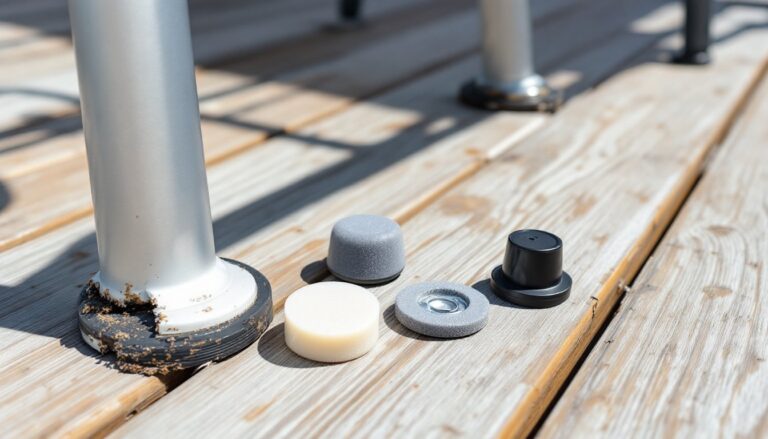
For uneven surfaces, older patios, gravel, or decks with slight slopes, look for sets with adjustable feet or plan to use furniture pads to level the table. A wobbly table turns every meal into a balancing act.
Style and Design Considerations for Your Outdoor Area
Bistro sets come in styles ranging from ornate Victorian scrollwork to minimalist modern lines. Match the design language to your home’s exterior and existing landscape elements.
Traditional metal sets with curved backs and decorative details suit classic porches, brick patios, and cottage garden settings. They pair well with climbing roses, potted herbs, and vintage planters. If your home has historical details, columns, gingerbread trim, or shutters, this style echoes that character.
Contemporary sets with clean lines, geometric shapes, and mixed materials (metal with wood slats, matte black finishes) fit modern and mid-century homes. These work on concrete patios, minimalist balconies, and spaces with architectural plantings like ornamental grasses or succulents.
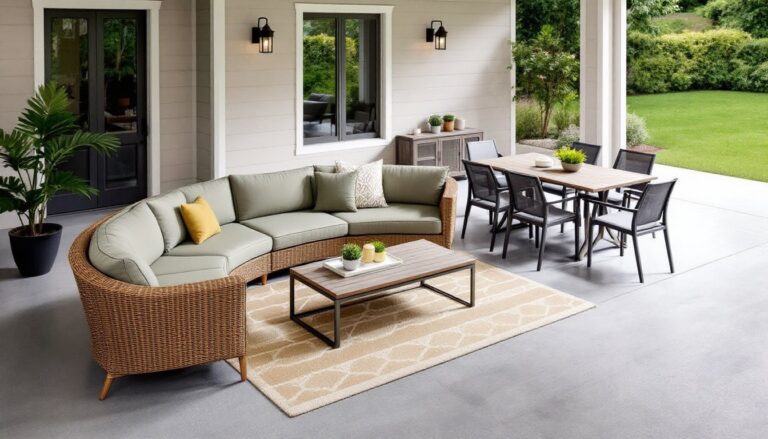
Wood and wicker sets lean casual and cottage-style. They soften the look of a patio and blend into lush, planted spaces. This style shines in farmhouse and country settings, especially when paired with neutral cushions and natural fiber rugs.
Color choice affects both style and practicality. Dark finishes (black, bronze, espresso) hide dirt and wear but absorb heat. Light finishes (white, cream, natural wood) stay cooler but show stains and require more frequent cleaning. Bright colors (teal, red, coral) add personality but can fade in intense sun unless the finish includes UV inhibitors.
Cushions and accessories let you refresh the look seasonally without replacing the whole set. Choose outdoor-grade fabrics with solution-dyed acrylic (like Sunbrella) for fade resistance and mildew protection. Removable, zippered covers make washing easier.
Maintenance Tips to Keep Your Bistro Set Looking Great
Regular upkeep extends the life of any bistro set and prevents small issues from becoming expensive replacements.
Metal sets: Wash with warm water and mild dish soap every few weeks during heavy use. Inspect powder-coated finishes for chips, especially on chair legs and table edges where contact is frequent. Touch up bare spots immediately with a rust-inhibiting primer followed by matching outdoor enamel. For wrought iron, apply a coat of paste wax annually to sealed finishes for extra moisture protection. Aluminum needs less fussing, just rinse off pollen and dirt to prevent buildup that can dull the finish.
Wood sets: Clean with a soft brush and soapy water, avoiding pressure washers that can damage the grain. Let the wood dry completely before applying any finish. Use teak oil for teak, and a penetrating wood sealer (like Thompson’s WaterSeal or a marine-grade product) for eucalyptus and acacia. Apply finish at the start and end of the outdoor season, or whenever water stops beading on the surface. Store cushions indoors or in a weatherproof deck box to prevent mold.
Wicker sets: Vacuum or brush out debris from the weave regularly, leaves and dirt trapped inside hold moisture and speed up deterioration. Wash with a hose and soapy water, then dry thoroughly. Avoid abrasive scrubbers that can fray synthetic fibers. Check the frame underneath for rust spots, especially where the weave attaches.
Winter storage: If you live in a freeze-thaw climate, bring lightweight sets indoors or cover them with breathable, waterproof furniture covers. Tarps trap condensation and promote rust and mildew: invest in covers with vents and tie-downs. For sets left outside, elevate table and chair legs on blocks or pads to prevent prolonged contact with snow or ice melt, which accelerates corrosion.
Routine care takes less time than refinishing or replacing. A fifteen-minute cleanup after each season keeps a bistro set presentable for years.