
Table of Contents
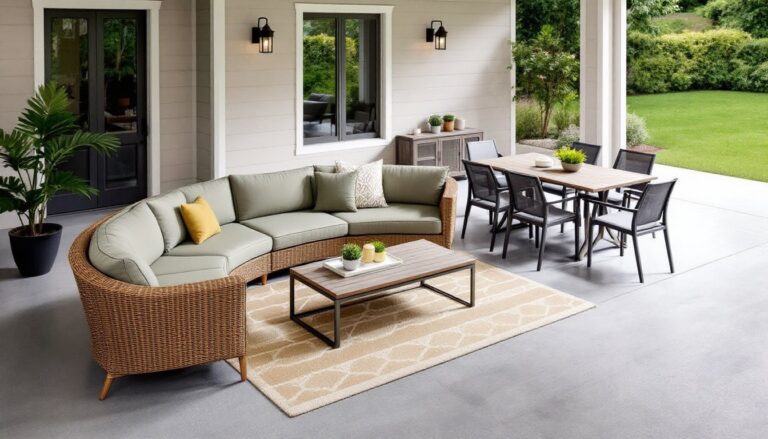
TogglePatio cushions take a beating. Sun bleaches fabric, rain soaks foam, and mildew creeps in before the season’s even half over. If your outdoor furniture frames are still solid but the cushions look like they’ve survived a decade of hurricanes, replacement is the most cost-effective fix. New cushions can transform weathered furniture for a fraction of the cost of buying new pieces, and you’ll get exactly the comfort, color, and durability you want. This guide walks through everything needed to select, measure, and maintain outdoor replacement cushions that’ll last multiple seasons.
Key Takeaways
- Replacing outdoor replacement cushions for patio furniture costs $150–$600, saving 75–90% compared to buying new furniture sets that run $800–$2,000.
- Accurate measurements in three dimensions (width, depth, thickness) are essential to avoid costly returns; always measure the furniture frame, not the old compressed cushion.
- Solution-dyed acrylic (like Sunbrella) is the gold-standard outdoor cushion fabric for fade and mildew resistance, while polyester blends and olefin offer budget-friendly alternatives with trade-offs in durability.
- Quick-dry foam cores drain water in 1–2 hours instead of days, making them ideal for rainy climates and worth the 40–60% premium cost over standard outdoor foam.
- Proper care—including regular cleaning, annual fabric protectant reapplication, and off-season indoor storage—extends outdoor cushion lifespan from 3–5 years to 7–10 years.
Why Replace Your Patio Furniture Cushions?
Outdoor cushions degrade faster than most homeowners expect. UV exposure breaks down fabric and foam, turning vibrant colors chalky and causing foam to crumble. Water infiltration leads to mold, mildew, and that musty smell that doesn’t wash out. Even quality cushions typically show serious wear after 3-5 years of regular outdoor exposure.
Replacing cushions instead of entire furniture makes financial sense when frames remain structurally sound. A full patio set might cost $800-$2,000, while replacement cushions run $150-$600 depending on size and fabric grade. The frames, usually powder-coated aluminum, wrought iron, or treated hardwood, often outlast cushions by 10-15 years.
Beyond cost savings, new cushions offer a chance to update style without commitment. Swapping from faded neutrals to a bold pattern or switching from thin seat pads to plush deep-seating cushions changes the entire feel of an outdoor space. It’s the easiest refresh for patios, decks, and porches.
How to Measure Your Patio Furniture for Replacement Cushions
Accurate measurements prevent expensive returns. Measure three dimensions for each cushion: width (side to side), depth (front to back), and thickness. Use a metal tape measure, not a cloth one that can stretch.
For seat cushions, measure the furniture frame, not the old cushion (which may have compressed). Measure at the widest and deepest points. If the seat tapers, note both the front and back widths. Standard depths run 18″, 21″, or 24″ for deep-seating furniture, while bistro chairs typically need 16″-18″ depth.
Back cushions require measuring height and width of the backrest area. Check if the back is straight or angled, angled backs need wedge-shaped cushions. Measure thickness based on how much loft is wanted, typically 2″-4″ for backs.
Round up to the nearest inch when between sizes. A 23.5″ measurement should be ordered as 24″. Most manufacturers use standard sizing increments (16″, 18″, 20″, 22″, 24″), so odd sizes may require custom orders. Take photos of the furniture from multiple angles before ordering, many suppliers request these to confirm fit.
Choosing the Right Fabric for Outdoor Cushions
Outdoor cushion fabric needs to resist fading, moisture, and mildew while staying comfortable to sit on. The three main fabric categories are solution-dyed acrylics, polyester blends, and olefin.
Solution-dyed acrylic (Sunbrella is the dominant brand) remains the gold standard for outdoor use. Color is added during fiber production, not applied to the surface, so it won’t fade even after years of sun exposure. It resists mildew, dries reasonably fast, and maintains a soft hand. Expect to pay $30-$60 per yard. Sunbrella offers hundreds of patterns and is what many outdoor living spaces feature in high-end designs.
Polyester blends cost less ($15-$30 per yard) and work well under covered patios or in climates with moderate sun. They’re softer than acrylic but fade faster and don’t shed water as effectively. Look for polyester labeled “outdoor” or “performance”, indoor polyester won’t hold up.
Olefin (polypropylene) sits at the budget end ($12-$25 per yard). It’s naturally mildew-resistant and colorfast but has a slicker, less breathable texture. It works for occasional-use furniture or budget-conscious projects.
Check the fabric’s UV rating (measured in hours of fade resistance) and water resistance. Most quality outdoor fabrics have a water-repellent finish that causes liquid to bead up rather than soak in. This finish degrades over time and needs reapplication with fabric protectant spray.
Fill Materials: Foam vs. Polyester vs. Quick-Dry Options
The fill determines comfort and how well cushions handle moisture. Three types dominate the market: high-density foam, polyester batting, and quick-dry foam cores.
High-density foam (at least 1.8 lbs per cubic foot density) provides firm support and holds its shape season after season. Standard outdoor cushion foam is typically 3″-5″ thick for seats and 2″-3″ for backs. Thinner foam compresses too much: thicker adds unnecessary weight. Foam alone absorbs water like a sponge, so it must be wrapped in a moisture barrier or drainage layer. Uncovered foam takes days to dry fully, creating mildew risk.
Polyester batting (loose fiberfill) offers a softer, cloud-like feel and drains water quickly since there’s no solid core to trap moisture. It compresses more than foam and requires fluffing. It’s best for back cushions or decorative throw pillows where firm support isn’t critical.
Quick-dry foam combines reticulated (open-cell) foam with a channeled core that allows water to pass through. Brands like Dryfast foam have vertical drainage channels, water flows through rather than pooling inside. These cushions dry in 1-2 hours instead of days. The tradeoff is higher cost (typically 40-60% more than standard foam) and slightly firmer feel. For rainy climates or furniture that can’t be quickly covered, quick-dry fill is worth the investment.
Some manufacturers now use outdoor foam wrapped in polyester batting, combining support with faster surface drying. Whatever fill is chosen, ensure it’s specifically rated for outdoor use, indoor foam degrades rapidly when exposed to moisture and UV.
Custom vs. Standard Replacement Cushions: Which Is Right for You?
Standard replacement cushions come in preset sizes and fabric selections, usually available from big-box retailers, online suppliers, and the original furniture manufacturer. They’re the budget-friendly option ($25-$80 per cushion for basic designs, $80-$200 for premium fabrics) and ship quickly, often within a week. They work perfectly when furniture matches common dimensions (a 20″x20″ seat cushion, for example).
Standard cushions have limitations. Fabric choices are limited to what’s in stock, usually 10-30 patterns. They won’t fit furniture with unusual shapes, angled backs, or non-standard dimensions. The fill is typically what the manufacturer chose, with no customization for firmness preference.
Custom cushions are made to exact specifications. They accommodate odd shapes, curved backs, bench seating, or built-in outdoor sofas. Fabric selection opens up to hundreds of options, many custom shops offer the full Sunbrella line or other premium outdoor fabrics. Fill can be specified by density and thickness. Some fabricators add piping, buttons, or boxed corners that aren’t available in standard cushions, similar to the attention to detail found in garden design projects where every element is purposefully chosen.
Custom costs more: expect $100-$300 per cushion depending on size and fabric grade. Lead times run 3-6 weeks, sometimes longer during peak spring season. For unique furniture or specific design visions, custom is the only route.
A middle option: semi-custom cushions from retailers like Cushion Source or Wayfair Custom Outdoor Cushions. These let you pick fabric and basic sizing from dropdown menus while keeping costs closer to standard pricing. Good for common shapes with personalized fabric choices.
Caring for Your Outdoor Replacement Cushions
Proper care extends cushion life from 3-5 years to 7-10 years. Start with regular cleaning, brush off debris weekly and hose down monthly during active use. For deeper cleaning, mix mild dish soap with water and scrub with a soft brush. Rinse thoroughly: soap residue attracts dirt. Avoid bleach on colored fabrics (it weakens fibers), but a diluted bleach solution (1:4 bleach to water) works on white or very light cushions for mildew removal.
Let cushions air-dry completely before storage or covering. Stand them on edge to promote airflow. Storing damp cushions, even in breathable covers, invites mildew. If cushions get soaked in a rainstorm, dry them as soon as possible, don’t leave them sitting in puddles of water.
Covers and storage matter. When cushions aren’t in use for extended periods (winter months, long vacations), store them in a dry space like a garage, shed, or basement. If indoor storage isn’t possible, use ventilated outdoor storage boxes, solid plastic bins trap moisture. Breathable canvas bags work better than plastic for short-term covering.
Reapply fabric protectant spray (like 303 Fabric Guard or Scotchgard Outdoor) annually. The factory water repellency wears off with cleaning and UV exposure. Spray cushions when clean and dry, following product directions. This simple step dramatically improves stain resistance and water beading, making maintenance from seasonal outdoor care advice much easier.
Rotate cushions every few weeks so wear and sun fading distribute evenly. Flip reversible cushions to double their usable life. Remove cushions during severe weather (hail, hurricanes, heavy snow) even if they’re outdoor-rated, extreme conditions shorten any material’s lifespan.
Conclusion
Replacing patio furniture cushions is one of the most straightforward outdoor upgrades with immediate visual and comfort payoff. Measure carefully, choose fabric and fill based on climate and usage patterns, and don’t skimp on quality if the furniture will see heavy use. With proper care, regular cleaning, thorough drying, and off-season storage, good outdoor cushions will outlast the initial investment by years.