
Table of Contents
ToggleBrown wicker patio furniture has anchored outdoor spaces for decades, and for good reason. It’s versatile, durable when properly constructed, and blends with nearly any design aesthetic without looking dated. Whether someone’s furnishing a covered porch, open deck, or poolside lounge, brown wicker offers a neutral foundation that handles both coastal-casual and modern-farmhouse vibes. But not all wicker is created equal, and choosing the right pieces means understanding materials, construction methods, and what actually holds up under sun, rain, and daily use.
Key Takeaways
- Brown wicker patio furniture remains a top choice because it provides a neutral, versatile foundation that complements any design aesthetic while hiding dirt and wear better than lighter finishes.
- Modern brown wicker is constructed from UV-stabilized resin woven over aluminum or steel frames, making it far more durable than natural rattan and resistant to sun, moisture, and temperature changes.
- Selecting quality brown wicker requires checking for tight weave density, welded frame joints, UV-rated finishes tested to ASTM standards, and weight capacity ratings of at least 250 pounds for chairs.
- Regular maintenance—including bi-weekly brushing, monthly cleaning with mild soap and water, and annual frame inspections—prevents minor issues and extends the life of brown wicker furniture.
- Brown wicker’s neutral tone allows for easy seasonal styling updates by simply swapping cushions, textiles, and accessories without replacing entire furniture sets, adapting from coastal to modern-farmhouse looks.
Why Brown Wicker Remains a Top Choice for Outdoor Spaces
Brown wicker has staying power because it solves practical problems while delivering on aesthetics. Unlike bright white or stark black furniture that can dominate a patio’s color palette, brown tones provide visual warmth without competing with landscaping, cushions, or architectural details.
Modern outdoor wicker is typically constructed from resin wicker (also called all-weather wicker or synthetic wicker), which is woven over a powder-coated aluminum or steel frame. This construction resists UV degradation, moisture, and temperature swings far better than natural rattan, which is only suitable for covered, climate-controlled areas. Brown resin wicker mimics the look of natural materials but won’t crack, splinter, or harbor mold.
From a design standpoint, brown wicker acts as a neutral backdrop. It pairs cleanly with earth tones, jewel tones, and even bold patterns without clashing. That flexibility makes it easy to refresh a space seasonally by swapping cushions and pillows rather than replacing entire furniture sets.
Another advantage: brown wicker hides dirt and wear better than lighter finishes. Pollen, dust, and minor scuffs blend into the textured weave, which means less frequent cleaning compared to white or cream alternatives. For high-traffic patios or homes with kids and pets, that’s a real-world benefit.
Types of Brown Wicker Patio Furniture to Consider
Seating Sets and Conversation Areas
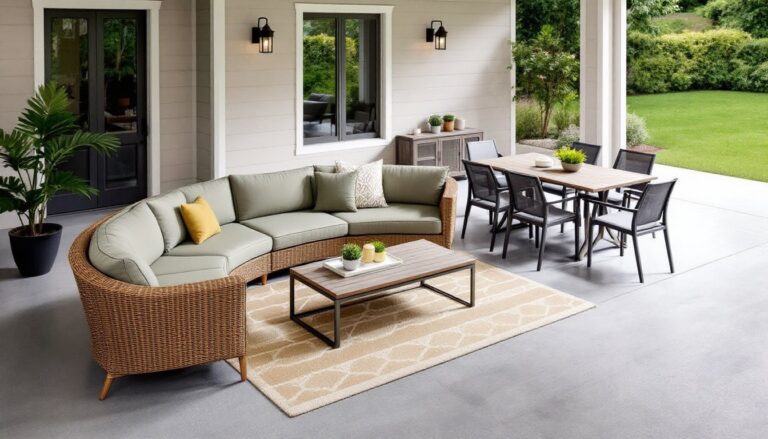
Conversation sets are the backbone of most outdoor living spaces. They typically include a loveseat or sofa, two armchairs, and a coffee table. Look for sets with fully welded aluminum frames rather than bolted joints, welded construction won’t loosen over time and handles weight shifts better.
Sectional seating offers more configuration flexibility. Modular pieces let homeowners rearrange layouts for parties, create L-shapes for corner spaces, or separate into smaller groupings. When evaluating sectionals, check the connection hardware. Quality sets use interlocking brackets or heavy-duty clips, not just fabric ties.
For tighter spaces, bistro sets or compact two-seater arrangements work well. These usually pair two chairs with a small side table and fit neatly on apartment balconies or front porches. Make sure the chairs have proper armrests and back support, some budget models skimp on ergonomics, which becomes obvious after 20 minutes of sitting.
Many designers recommend mixing wicker seating with outdoor textiles to soften the look and add comfort. Cushions should have solution-dyed acrylic fabric (like Sunbrella) with high-density foam cores rated for outdoor use. Avoid generic polyester cushions, they fade quickly and flatten out within a season.
Dining Furniture and Bar Sets
Brown wicker dining sets bring texture to outdoor meals without the weight and maintenance of wood or metal tables. Standard dining sets seat four to eight people and include a rectangular or round table with matching chairs. Glass-topped tables are common with wicker bases, the tempered glass provides a smooth dining surface while showcasing the woven detail below.
If opting for a glass top, confirm it’s at least ⅜-inch thick tempered safety glass. Thinner glass can crack under heat stress or impacts. Some homeowners prefer solid resin tabletops for durability and to avoid glass cleaning, though these can show scratches more readily.
Bar-height sets and pub tables are gaining traction for patios with open sightlines or poolside installations. These sets typically stand 40–42 inches tall and pair with stools rather than chairs. They work especially well on decks with railings, where standard-height furniture can feel closed-in.
When selecting dining chairs, test the seat depth and back angle. Wicker dining chairs often have shallower seats than indoor chairs, fine for meals but uncomfortable for lingering. If the space doubles as an entertaining zone, consider weatherproof dining options with contoured seats or removable cushions.
How to Choose the Right Brown Wicker for Your Patio
Start by assessing exposure. Full-sun patios demand furniture with UV-stabilized resin and fade-resistant finishes. Manufacturers should specify UV ratings, look for products tested to ASTM standards for colorfastness. Furniture without UV protection will bleach to a dull gray within two seasons.
Frame material matters more than most shoppers realize. Aluminum frames won’t rust and weigh less than steel, making furniture easier to reposition. Steel frames are sturdier and better for commercial-grade use but require intact powder coating to prevent corrosion. Inspect welds and joints, sloppy welds or visible gaps indicate poor manufacturing.
Weave density affects both appearance and longevity. Tight, consistent weaves resist sagging and hold up better under stress. Run a hand along the weave: it should feel smooth with no sharp edges or loose ends. Cheaper furniture often has irregular spacing or thin strands that snap easily.
Consider the brown tone itself. Wicker comes in shades ranging from honey tan to espresso. Lighter browns show less heat absorption and work well in sun-drenched areas, while darker browns provide richer contrast against light-colored homes or decking. Bring home a sample swatch if possible, outdoor lighting changes how colors read compared to showroom fluorescents.
Weight capacity is listed on quality furniture but often ignored. Standard outdoor chairs should support at least 250 pounds, with dining chairs and benches rated higher. Sectional pieces and loveseats should specify per-seat capacity, not total weight limits.
Finally, check return policies and warranties. Reputable brands offer 1–3 year warranties covering frame integrity and weave separation. Avoid retailers with restocking fees on outdoor furniture, it’s nearly impossible to judge comfort and scale until pieces are assembled at home.
Maintenance and Care Tips to Extend Furniture Life
Brown wicker’s low-maintenance reputation is earned, but it’s not zero-maintenance. Regular care prevents minor issues from becoming expensive problems.
Weekly or bi-weekly cleaning: Brush off loose debris with a soft-bristle brush or use a shop vacuum with a brush attachment. Dirt and pollen trapped in the weave can degrade resin over time, especially in humid climates.
Deep cleaning (monthly or as needed): Mix a solution of mild dish soap and warm water. Use a soft sponge or microfiber cloth to scrub the weave, working in the direction of the strands. Rinse thoroughly with a garden hose, leftover soap attracts dirt. Let furniture air-dry completely before replacing cushions.
Avoid pressure washers on wicker. The concentrated spray can separate weave strands from frames or force water into joints, causing internal corrosion on steel-framed pieces. A standard hose with a spray nozzle provides enough pressure for rinsing.
Cushion care: Remove cushions during rain and store them in a covered outdoor storage box or garage. Even water-resistant fabrics benefit from staying dry between uses, constant moisture promotes mildew growth in foam cores. Spot-clean cushion covers with fabric cleaner: most Sunbrella and similar fabrics are machine-washable in cold water on a gentle cycle.
Off-season storage: If possible, store wicker furniture indoors or in a shed during winter months, especially in regions with freeze-thaw cycles. If indoor storage isn’t an option, invest in breathable outdoor furniture covers, not tarps. Tarps trap condensation, which accelerates mildew and frame corrosion. Quality covers have vents and elastic hems to prevent wind damage.
Frame inspection: Once or twice a year, flip furniture over and inspect frame joints, welds, and any exposed metal. Touch up scratched powder coating with a rust-inhibiting spray paint formulated for metal. Tighten any loose bolts or hardware before they cause wobbling or structural failure.
PPE note: When cleaning furniture with any chemical solution, wear nitrile gloves to protect skin, especially if using stronger cleaners for mildew removal.
Styling Your Brown Wicker Furniture for Maximum Appeal
Brown wicker is forgiving, but thoughtful styling turns functional furniture into an inviting outdoor room.
Layer textures: Pair the woven texture of wicker with contrasting fabrics. Linen, canvas, and outdoor velvet add softness, while jute or sisal rugs ground the seating area and define zones on large patios. Avoid matching everything, mix solids with patterns and vary pillow sizes for visual interest.
Add greenery: Potted plants soften wicker’s structured look. Cluster pots in varying heights near seating areas, or use tall planters to frame entryways. Trailing plants like ivy or sweet potato vine draped over furniture edges create a casual, lived-in feel.
Incorporate lighting: String lights, lanterns, or solar path lights extend usability into evening hours. Wicker’s textured surface catches and diffuses light nicely, creating ambient shadows. For dining areas, a pendant light or chandelier rated for damp locations adds a finished look.
Use outdoor rugs strategically: An outdoor rug anchors furniture groupings and protects decking or concrete underneath. Choose rugs slightly larger than the furniture footprint, front legs of sofas and chairs should sit on the rug, with back legs off. Polypropylene rugs resist mold and are easy to hose down.
Accessorize with intention: Side tables, trays, and outdoor-safe decor add personality without clutter. Metal or wood accents introduce material contrast: ceramic or concrete pieces add weight and sophistication. Avoid overcrowding, a few well-chosen accessories beat a dozen small items.
Consider color psychology: Cool blues and greens create a calming, spa-like environment. Warm oranges, reds, and yellows energize social spaces. Neutrals like taupe, cream, and charcoal provide a sophisticated backdrop that won’t clash with seasonal plantings or changing trends.
Brown wicker’s neutrality means it adapts to style shifts without requiring replacement. Swap cushions and accessories to move from coastal (navy and white stripes) to desert modern (terracotta and sage) to traditional (florals and plaids) without touching the base furniture.