
Table of Contents
ToggleCountry living room furniture brings warmth, character, and timeless appeal to any home. It’s not about copying a farmhouse catalog, it’s about choosing pieces that feel lived-in, durable, and grounded. This style works whether someone’s decorating a century-old cottage or softening the edges of a modern suburban build. The key is understanding what materials, finishes, and layouts create that relaxed, welcoming atmosphere without veering into kitsch or clutter. This guide walks through the essentials, from selecting core pieces to arranging them for real-world comfort.
Key Takeaways
- Country living room furniture prioritizes solid wood, durable fabrics, and natural finishes that show authenticity rather than perfection, creating a lived-in atmosphere that works in both farmhouses and modern homes.
- Essential pieces include a sturdy sofa with hardwood frames, a solid wood coffee table, accent seating like Windsor chairs, and open storage with quality joinery to maintain both function and character.
- Choose materials and finishes strategically: solid wood for visible surfaces, low-VOC paints and milk paint for authentic appeal, and upholstery with at least 40,000 double rubs durability for high-traffic seating.
- Neutral color palettes of whites, creams, soft grays, and warm browns let wood tones shine, while accent colors from textiles should feel faded and collected rather than saturated and coordinated.
- Arrange furniture around a focal point with intentional spacing (12-18 inches from walls, 14-18 inches from coffee tables), use multiple light sources, and float seating groups to create an inviting, conversational layout.
- Country furniture blends seamlessly with modern elements when you maintain a cohesive color palette and limit modern additions to one or two statement pieces like contemporary lighting or metal accents.
What Defines Country Living Room Furniture?
Country furniture prioritizes natural materials, sturdy construction, and understated detailing. Think solid wood frames, visible joinery, and finishes that show grain rather than hiding it. Pieces often feature practical design elements like turned legs, plank-style tabletops, and simple hardware, details borrowed from utilitarian farm furniture but refined for comfort.
The style leans heavily on wood species like oak, pine, maple, and hickory. These woods age well and handle the dings that come with daily use. Upholstery tends toward linen, cotton, or wool in neutral tones or subtle patterns, no high-gloss synthetics or overly formal fabrics.
Country furniture also embraces mixed finishes. A distressed paint technique might sit next to natural wood, or a whitewashed piece could anchor a room of darker stains. The look avoids matchy-matchy uniformity. Instead, it feels collected over time, as if each piece earned its spot through usefulness and character.
Essential Furniture Pieces for a Country Living Room
Start with a sofa or sectional upholstered in durable fabric. Slipcovers work well here, they’re washable, replaceable, and forgiving with pets or kids. Look for frames built from kiln-dried hardwood with corner blocks and double-doweled joints. Avoid particleboard or staple-only construction, which won’t hold up.
A coffee table with a solid wood top (1-1/4″ to 1-3/4″ thick) serves as the room’s anchor. Reclaimed barn wood or live-edge slabs bring authentic texture. If the top is painted, make sure it’s a durable finish like milk paint sealed with wax or polyurethane, something that can take a coffee mug without leaving rings.
Accent seating might include a pair of Windsor chairs, a ladder-back rocker, or an upholstered armchair with exposed wood arms. These pieces add seating capacity without bulk and can be moved around as needed. Many homeowners appreciate designs inspired by rustic and cozy styles that balance tradition with comfort.
Storage is critical in a functional living room. A hutch, sideboard, or open bookshelf keeps clutter at bay while displaying pottery, books, or family heirlooms. Open shelving works well for this style, it avoids the closed-off feel of built-ins and lets the room breathe. Look for pieces with mortise-and-tenon joinery or visible dovetails, signs of quality construction.
Finally, consider an ottoman or bench for extra seating or a footrest. Upholstered versions in ticking stripe or grain sack fabric fit the aesthetic, while a simple wooden bench with a cushion adds flexibility.
Choosing the Right Materials and Finishes
Solid wood is non-negotiable for tabletops, case goods, and chair frames. Engineered wood can work for cabinet backs or drawer bottoms, but visible surfaces should be the real deal. Pay attention to nominal vs. actual dimensions when evaluating thickness, a “1-inch” pine board is actually 3/4″ after milling, which affects both durability and appearance.
For finishes, low-VOC stains and paints are safer for indoor air quality and easier to work with if someone’s refinishing or distressing a piece later. Milk paint creates an authentic, slightly chalky look that wears naturally over time. Water-based polyurethane offers decent protection without yellowing, though oil-based poly gives a warmer tone on woods like oak or walnut.
Upholstery fabrics should be at least 40,000 double rubs (a measure of durability) for high-traffic seating. Linen and cotton blends hold up better than 100% linen, which wrinkles and pills. If someone’s considering leather, top-grain or full-grain leather ages gracefully, developing a patina rather than peeling like bonded leather.
Hardware matters too. Wrought iron, brushed nickel, or oil-rubbed bronze pulls and hinges complement country furniture better than shiny chrome or glass. If a piece has visible screws, they should be flathead or square-drive, Phillips heads look too modern and out of place.
For DIYers interested in building their own pieces, resources like free furniture plans offer step-by-step guidance on joinery and finishing techniques that align with country aesthetics.
Color Palettes That Complement Country Furniture
Country palettes draw from nature, whites, creams, soft grays, warm browns, and muted greens or blues. These colors let wood tones shine without competing for attention. Wall color should stay neutral: eggshell or satin sheens are easier to clean than flat paint and still diffuse light gently.
For furniture, whitewash or pickled finishes lighten a room without losing wood texture. A diluted white or gray stain (1 part paint to 3 parts water) applied and wiped back shows grain while adding color. Seal with a matte or satin topcoat for durability.
Accent colors come from textiles and accessories. Faded reds, barn reds, mustard yellows, and denim blues work as throw pillows, quilts, or rug tones. These colors feel collected rather than coordinated. Avoid overly saturated hues, country style favors colors that look like they’ve lived through a few seasons.
Wood tones can vary within one room. A honey-toned pine coffee table pairs well with a darker walnut side table or weathered gray shelving. The unifying factor is finish quality and natural material, not identical stain colors. This approach mirrors how furniture accumulates in real homes over time.
Arranging Your Country Living Room for Maximum Comfort
Start with the room’s focal point, usually a fireplace, large window, or the main seating area. Arrange the sofa to face this feature, leaving 12-18 inches of clearance from walls for a less boxy feel. If the room lacks an architectural focal point, create one with a large piece of art or a substantial bookshelf.
Traffic flow matters. Maintain at least 30 inches of walkway space between furniture pieces, and 14-18 inches between a coffee table and seating for comfortable leg room. In smaller rooms, a pair of armchairs with a shared side table takes up less floor space than a loveseat.
Layer in side tables and lighting before adding decorative pieces. Table lamps with fabric or metal shades cast warmer light than overhead fixtures alone. Aim for multiple light sources at different heights, this creates depth and avoids the flat look of single-source lighting.
Rugs help define zones, especially in open-concept layouts. A wool or natural fiber rug should be large enough that at least the front legs of major seating pieces rest on it. An 8×10 or 9×12 works for most living rooms: undersized rugs make furniture look disconnected. When assembling a cohesive look, some find inspiration in classic farmhouse approaches that balance function and regional character.
Don’t push all furniture against walls. Floating a sofa or creating a conversational grouping in the room’s center makes the space feel intentional and inviting, not like a waiting room.
Mixing Country Furniture with Modern Elements
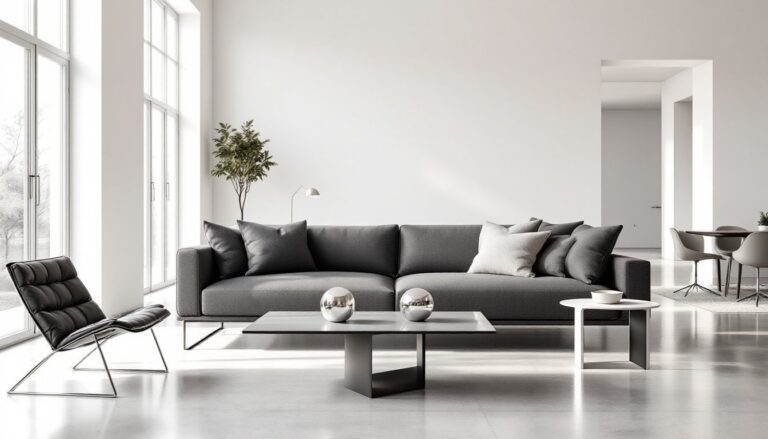
Country furniture pairs surprisingly well with modern design when done with restraint. The key is balancing rustic texture with clean lines. A chunky reclaimed-wood coffee table grounds a room with a sleek sectional, while a mid-century armchair can add sculptural interest beside a traditional bookshelf.
Keep the color palette cohesive. If the country pieces lean toward warm wood tones and creams, choose modern elements in complementary neutrals, charcoal, black, or soft gray. Avoid introducing too many new colors, which can fracture the room’s visual flow.
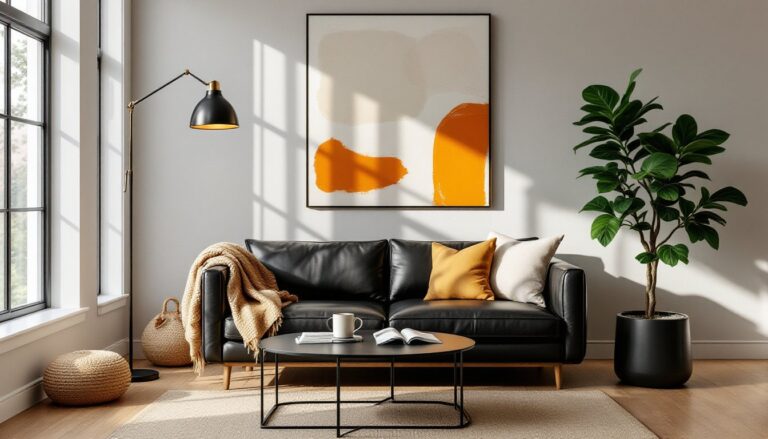
Modern lighting works particularly well as a bridge. A simple black pendant or an arc floor lamp introduces contemporary shape without clashing with traditional furniture. Similarly, metal accents like steel-framed mirrors or industrial-style shelving brackets add edge without overwhelming the rustic warmth.
Textiles offer an easy mixing point. A linen sofa in a neutral tone can anchor country wood pieces while nodding to modern minimalism. Swap out heavy drapes for simple Roman shades or leave windows bare if privacy allows, this keeps the space feeling airy.
Avoid mixing too many styles at once. One or two modern pieces per room is plenty. The goal is a curated look, not a showroom floor. For those exploring broader aesthetic blends, contemporary farmhouse variations demonstrate how different influences can coexist without competing.
Conclusion
Country living room furniture works because it prioritizes durability, comfort, and authenticity over trends. Choosing solid materials, planning a functional layout, and mixing textures thoughtfully creates a space that feels both timeless and personal. Whether someone’s furnishing a farmhouse or adding rustic warmth to a contemporary build, the principles remain the same: buy quality, arrange with intention, and let the room evolve naturally over time.