Table of Contents
ToggleShopping for bedroom furniture isn’t just about filling a room, it’s about building the foundation for better sleep, more organized mornings, and a space that actually feels like yours. But with hundreds of retailers competing for your wallet, finding quality pieces at a fair price takes more than browsing Instagram ads and hoping for the best. Whether you’re furnishing a master suite from scratch or replacing a sagging mattress and mismatched nightstands, knowing where to shop, and what to look for, makes the difference between furniture that lasts a decade and particleboard that falls apart after two moves.
Key Takeaways
- Quality bedroom furniture stores offer construction details like dovetail joinery, ball-bearing drawer slides, and solid wood options that determine durability over time.
- Luxury retailers like Room & Board and Ethan Allen provide heirloom-quality pieces with lifetime warranties, while mid-range options like West Elm and Crate & Barrel deliver modern design at 40-50% lower price points.
- Always measure your space, check drawer slides in person, and verify return policies before purchasing—many retailers charge 15-25% restocking fees on returns.
- Hybrid shopping (showroom inspection followed by online price comparison) often yields the best deals, especially with retailers like Ashley Furniture that operate both locations.
- Budget-friendly bedroom furniture sources like IKEA and Target work well for starter homes, but investing in solid wood or quality veneer over particleboard extends furniture lifespan significantly.
- Online retailers offer larger selections and competitive pricing with free shipping thresholds, but return costs for oversized pieces like bed frames can reach $200-$400.
What to Look for When Shopping for Bedroom Furniture
Start with solid construction. Turn dressers around and check the back panel, if it’s thin hardboard stapled on, expect problems. Quality case goods use dovetail or mortise-and-tenon joinery, not just glue and staples. For beds, look for center support beams on queen-size and larger frames: without them, box springs sag prematurely.
Material matters more than finish. Solid wood (oak, maple, cherry) costs more upfront but handles refinishing and repairs. Veneer over plywood or MDF is a reasonable middle ground, just avoid paper-thin veneers that peel at the edges. Particleboard furniture has its place in guest rooms and rentals, but don’t expect it to survive multiple moves.
Measure your space before you fall in love with anything. A king bed frame is 76″ × 80″ nominal, but add the headboard depth and nightstand clearance, and you’re looking at 9-10 feet of wall space minimum. Doorways matter too, most standard interior doors are 32″ wide, and that armoire might not fit the turn into your bedroom.
Drawer slides separate the good from the frustrating. Ball-bearing slides with full extension let you access the entire drawer without wrestling it off the track. Cheap plastic roller slides bind, stick, and fail within a year. Open and close every drawer in the showroom, if it feels rough now, it won’t improve at home.
Consider the finish’s durability. Catalyzed lacquer or conversion varnish resists scratches and moisture better than simple stains or painted finishes. If you’ve got kids or pets, avoid high-gloss black furniture, it shows every fingerprint and ding.
Check return policies and warranties before you buy. Many retailers charge restocking fees of 15-25% for furniture returns, and custom orders are often final sale. A decent warranty covers structural defects for at least a year, though finish wear typically isn’t included.
Top Bedroom Furniture Stores for Every Budget
Luxury and High-End Options
For heirloom-quality pieces, Room & Board offers solid wood furniture made domestically with transparent sourcing. Their bedroom sets range from $3,000-$8,000+ but include lifetime warranties on structural components. Drawer construction rivals custom cabinet work, and you’re not paying for trendy details that date the piece in five years.
Ethan Allen leans traditional but updates collections regularly. Expect $4,000-$10,000 for a complete bedroom set. Their in-house design service is free and actually useful, designers help with layout and finish coordination, not just upselling.
Restoration Hardware caters to the luxury market with dramatic scale and industrial-meets-classical design. A king bed alone runs $2,500-$6,000. Quality is solid, but you’re paying for aesthetic cache as much as construction. Their interior design resources pair well with their oversized furniture footprints.
Mid-Range Retailers with Quality Selection
West Elm hits the sweet spot for modern design without boutique pricing. Bedroom sets range $1,500-$4,000, with frequent sales dropping prices 20-30%. Construction quality varies by line, their solid wood collections hold up well, but some upholstered pieces use lower-density foam that compresses quickly.
Crate & Barrel stocks both contemporary and transitional styles, with bedroom furniture running $1,200-$4,500 for full sets. Their case goods use a mix of solid wood and veneer, clearly labeled on product tags. Delivery and assembly services are reliable, though white-glove setup costs extra.
Brady Home Furniture provides a curated selection of timeless and modern pieces that balance quality with mid-range pricing. Their showrooms let you test construction firsthand before committing.
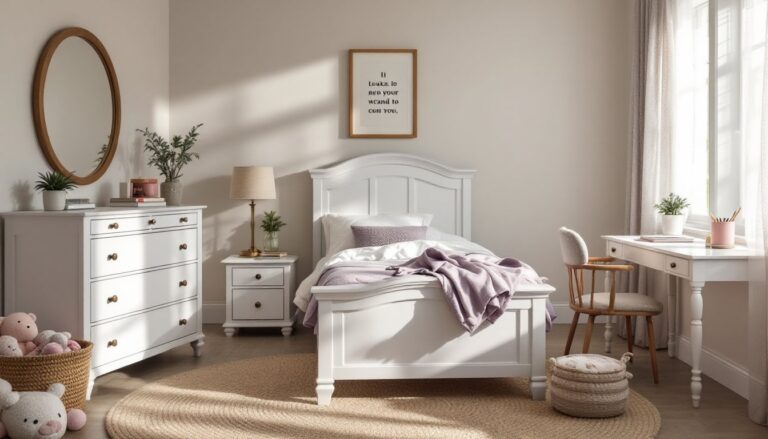
Pottery Barn appeals to traditional and farmhouse tastes. Pricing sits at $1,800-$5,000 for bedroom sets. Their kids’ furniture converts and grows with children, worth the premium if you’re avoiding multiple replacements. Finish quality is generally good, though some painted pieces chip more easily than expected.
Budget-Friendly Furniture Sources
IKEA remains the gold standard for flat-pack furniture. Their PAX wardrobe system and HEMNES bedroom line offer surprising quality for $800-$2,000 complete sets. Assembly takes time and a second pair of hands, but construction is engineered well. Avoid their lowest-priced particleboard lines, they don’t hold up to humidity or repeated disassembly.
Wayfair aggregates thousands of manufacturers, so quality varies wildly. Read reviews obsessively and filter by 4+ star ratings with at least 100 reviews. Bedroom sets run $600-$2,500, but return logistics can be a headache with oversized items. Their detailed dimensions and customer photos help avoid surprises.
For regional variety, retailers in Lake Charles often carry budget-friendly options with the benefit of inspecting items before purchase. Local stores sometimes beat online prices when you factor in shipping costs for heavy furniture.
Target expanded their furniture selection significantly. Their Project 62 and Threshold lines offer $400-$1,500 bedroom sets that work for apartments and starter homes. Construction is basic, expect particleboard with veneer, but pieces arrive mostly assembled, saving time and frustration.
Model home furniture sales offer gently used, high-end pieces at steep discounts. Builders stage homes with quality furniture that’s only displayed for months, not years. You’ll find 40-60% savings on brands that rarely go on sale otherwise.
Online vs. In-Store: Where to Buy Your Bedroom Furniture
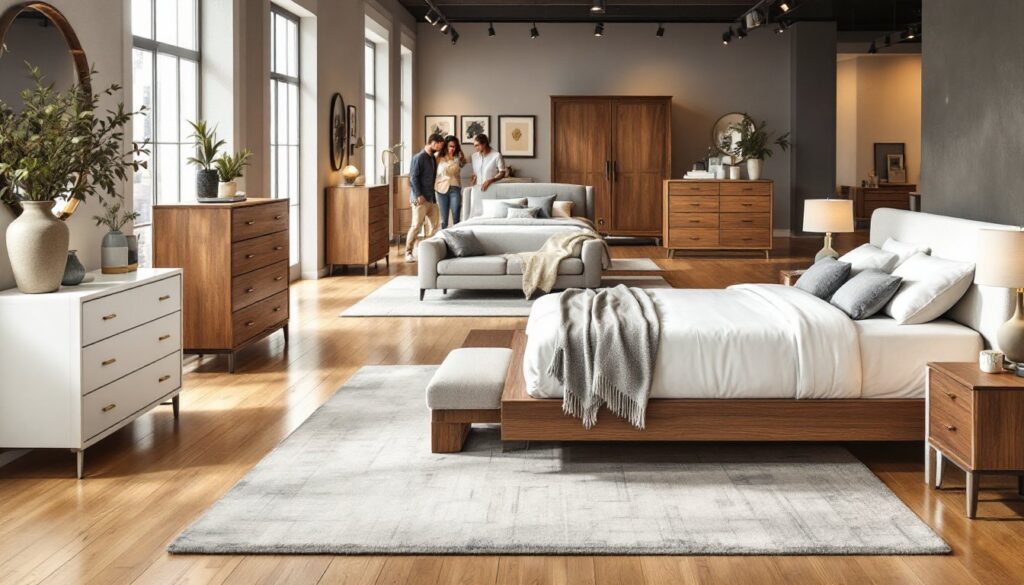
In-store shopping lets you test before you trust. Sit on beds, open drawers, and check finish consistency across pieces, online photos hide a lot. Sales staff can answer construction questions (though quality varies by retailer). You’ll see actual colors instead of guessing how “weathered oak” translates through your monitor’s color settings.
The downside? Limited floor space means smaller selections, and showroom pricing often runs higher than online equivalents. Some retailers use the showroom as a catalog, ordering everything from warehouses anyway, which negates the instant gratification factor.
Online retailers offer vastly larger selections and competitive pricing. Many provide detailed furniture browsing platforms with filtering by size, material, and style. Free shipping thresholds ($1,000-$2,500 typically) eliminate delivery charges on bedroom sets. Customer reviews reveal long-term durability issues that sales staff won’t mention.
The risk? Colors and scale surprise people. A dresser that looks substantial online can feel flimsy in person, or vice versa. Return shipping for a king bed frame isn’t cheap, sometimes $200-$400, and many retailers charge restocking fees.
Hybrid shopping works best for most buyers. Visit showrooms to identify construction quality and preferred styles, note model names and dimensions, then compare pricing online. Some retailers like Ashley Furniture operate both showrooms and robust online stores, letting you inspect items locally before ordering online if the price is better.
Read return policies carefully before ordering. Online-only retailers sometimes require you to disassemble and repack furniture for returns, an impossible task once you’ve wrestled a dresser upstairs and assembled it. Look for retailers offering free returns with pickup service for defective or misrepresented items.
Consider assembly options. In-store purchases often include delivery and setup, while online orders may arrive in flat-pack boxes requiring hours of assembly. If you’re not comfortable with a drill and Allen wrenches, factor in assembly service costs ($100-$300 depending on complexity).
For design inspiration before committing to any purchase, resources like interior design portfolios help visualize how different furniture styles work together in real bedroom layouts, saving costly mismatches.
Conclusion
Quality bedroom furniture balances budget, construction, and style without compromise. Inspect joinery, test hardware, measure your space twice, and read return policies before committing. Whether shopping luxury showrooms or flat-pack budget options, the best furniture fits your home’s needs and survives daily use for years, not months.