
Table of Contents
ToggleA California king bed measures 72 inches wide by 84 inches long, that’s 4 inches narrower and 4 inches longer than a standard king. This distinct footprint changes the game when it comes to bedroom furniture sets. The extra length suits taller sleepers and creates a different visual proportion in the room, which means dressers, nightstands, and case pieces need to balance that elongated silhouette. Many furniture retailers bundle California king sets specifically to solve this problem, but not all sets are created equal. Understanding what makes a well-matched set, and what to skip, can save both money and floor space.
What Makes California King Bedroom Sets Different?
The difference isn’t just the bed frame. California king sets account for the bed’s longer profile in how other pieces are scaled and positioned. A standard king bed sits more square in a room: a Cal king stretches toward the footboard wall, often requiring narrower nightstands or dressers with shallower depths to maintain walkable clearance.
Most manufacturers design Cal king headboards with vertical emphasis, taller panels, slatted designs, or upholstered profiles that draw the eye up rather than side-to-side. This counters the bed’s horizontal stretch and prevents the room from feeling like a hallway. Matching case goods (dressers, chests, armoires) in these sets tend to be slightly taller or more compact in width compared to standard king sets.
Another practical detail: bed frame construction. Cal king mattresses are heavier than standard queens, and many cheaper frames don’t include a center support beam. Look for sets with metal center rails or reinforced slat systems rated for the mattress weight, typically 150–200 pounds for a quality mattress plus foundation. If the set includes a platform bed, verify the slat spacing is 3 inches or less to prevent mattress sagging and maintain warranty coverage.
Sets sold as “California king” should list actual dimensions for each piece. If a retailer bundles a generic dresser with a Cal king bed and calls it a set, check measurements independently. A mismatched scale becomes obvious once installed.
Essential Pieces in a Complete Bedroom Furniture Set
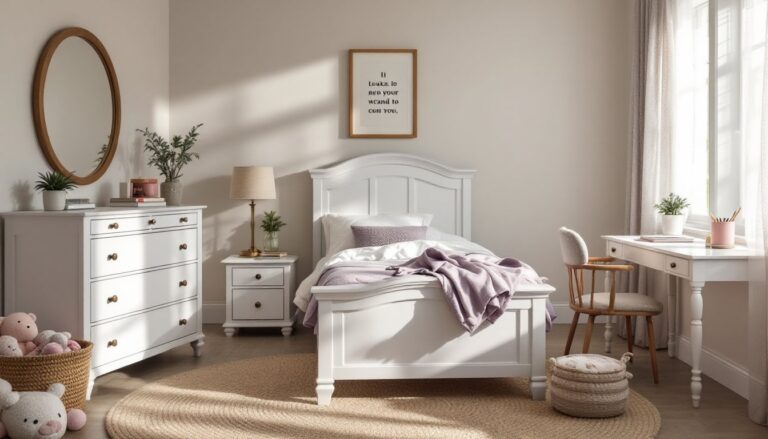
A true bedroom furniture set typically includes four to six core pieces: the bed frame (headboard, footboard, and rails), two nightstands, a dresser, and optionally a chest of drawers or mirror. Some premium sets add a bench or armoire.
Bed frame components should come with all mounting hardware and, ideally, pre-drilled holes. Avoid sets where the headboard attaches only to the wall, those lack structural support for the mattress and can pull loose from drywall anchors over time. Proper frames bolt the headboard directly to the side rails.
Nightstands in Cal king sets often measure 24–28 inches tall to align with the mattress height (standard mattress plus foundation sits around 25 inches). Width varies, but 22–24 inches works in most bedrooms without crowding the bed. Look for nightstands with dovetail drawer joints and full-extension glides, not stapled particle board with plastic tracks.
Dressers range from 54 to 66 inches wide in most sets. Six-drawer double dressers are standard: nine-drawer triple dressers suit larger rooms. Depth should be 16–18 inches to leave adequate walking space when drawers are open. Cheaper dressers use thin drawer bottoms (1/8-inch plywood or cardboard): quality builds use 1/2-inch plywood or solid wood.
Chests (tall, narrow dressers) work well in rooms where wall space is limited. A five-drawer chest typically measures 38–42 inches tall and 30–36 inches wide. Some homeowners skip the chest and double up on nightstands if the room layout allows.
Mirrors are often sold separately but marketed as part of the set. Horizontal mirrors (48–60 inches wide) mount above dressers: vertical mirrors lean or hang independently. Mounting hardware should include wall anchors rated for drywall, not just nails.
Sets don’t always include a box spring or foundation. Cal king foundations are often sold separately and run $150–$400 depending on whether you choose a traditional box spring, a low-profile foundation, or a bunkie board for platform beds.
Popular Styles and Design Trends for California King Sets
Bedroom furniture styles shift slower than paint colors, but 2026 trends lean into natural materials, streamlined profiles, and mixed finishes. Here’s what’s seeing traction in showrooms and online retailers.
Modern and Contemporary Sets
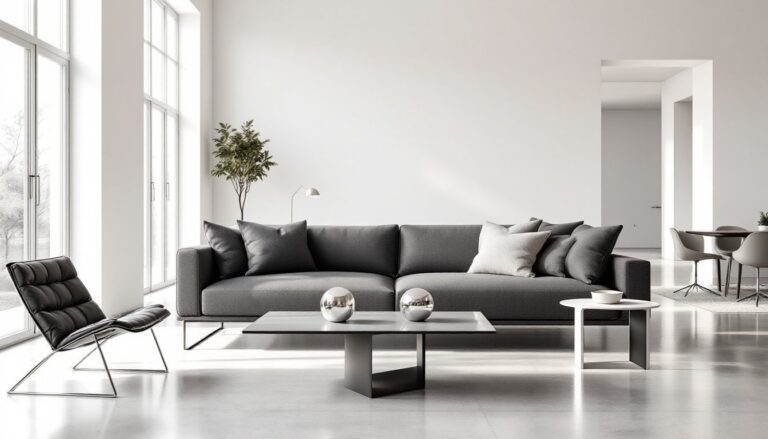
Contemporary Cal king sets emphasize clean lines, low profiles, and neutral tones. Platform beds with integrated slat systems replace bulky box springs, bringing the mattress closer to the floor (10–14 inches off the ground versus 20+ inches for traditional setups). Headboards are often padded linen or leather, sometimes with built-in LED lighting or floating nightstand shelves.
Case goods in modern sets use flat-panel drawer fronts with minimal hardware, recessed pulls or push-to-open mechanisms instead of knobs. Finishes trend toward grey oak, walnut veneer, or matte black lacquer. Solid wood is less common here: engineered wood with high-quality veneer keeps costs reasonable while maintaining a premium look.
Many modern furniture collections incorporate mixed materials, metal leg frames, tempered glass tabletops on nightstands, or concrete-look laminate. These sets pair well with minimalist interiors and work in smaller bedrooms because the low-profile design doesn’t dominate sightlines.
Rustic and Farmhouse Collections
Rustic sets lean on solid wood construction, typically pine, alder, or acacia, with visible grain, distressed finishes, and hand-planed details. Farmhouse styles add painted elements: white or grey-washed finishes on drawer fronts, contrasting with natural wood tops.
Beds in rustic sets often feature plank headboards (horizontal or vertical), chunky posts, or reclaimed barnwood aesthetics. Joinery is more visible here, mortise-and-tenon or dowel joints rather than hidden hardware. Drawers use wood-on-wood glides or basic metal slides: full-extension soft-close glides are rare in budget rustic sets but standard in premium lines.
Finishes vary widely. Weathered grey, honey oak, and tobacco brown are common. Some manufacturers apply a wire-brush texture to enhance grain visibility. These sets work in larger bedrooms where the substantial proportions feel grounded rather than cramped.
Mid-century modern sets, while less common in Cal king sizes, occasionally appear in curated collections. Expect tapered legs, walnut veneers, and brass or aged-bronze hardware. These sets cost more due to material and detailing but hold resale value better than trend-driven styles.
How to Choose the Right Set for Your Space
Measure the bedroom before shopping. A Cal king bed needs a room at least 12 feet by 12 feet to leave walkable clearance (minimum 24 inches on each side and 36 inches at the foot). Rooms smaller than that force furniture against walls and make the space feel tight.
Map the layout on graph paper or use a free online room planner. Mark door swings, window placements, closet doors, and outlets. Many design planning resources offer templates for standard furniture footprints. Place the bed first, it’s the largest piece and dictates everything else.
Consider drawer clearance. A dresser needs 30–36 inches of open space in front to pull drawers fully out. If the room is narrow, a tall chest uses vertical space better than a wide dresser.
Check ceiling height if the set includes a tall headboard or canopy bed. Standard residential ceilings are 8 feet: a headboard over 60 inches tall can make the room feel compressed. Vaulted or 9-foot ceilings handle taller profiles without issue.
Material durability matters more than style if the furniture will be moved or heavily used. Solid wood handles bumps and scratches better than veneer, which can chip or delaminate if edges get dinged. Veneer over MDF or particle board is fine for static furniture but risky for pieces that get relocated often.
If buying online, verify the return policy and whether assembly is included. Many big-box retailers deliver “curbside only,” meaning the driver drops boxes at the door. Cal king beds ship in three to five boxes weighing 60–150 pounds each. Moving and assembling alone is possible but easier with help.
Budget-Friendly vs. Premium: What to Expect at Different Price Points
California king bedroom sets range from $800 to $6,000+ depending on materials, construction, and brand. Here’s what each tier typically delivers.
Budget sets ($800–$1,500): Engineered wood (MDF or particle board) with laminate or thin veneer finishes. Drawers use stapled joints and basic metal glides. Beds often lack center support or use lightweight slat systems. These sets work for guest rooms, rentals, or short-term use but may need replacement within 5–8 years. Assembly required: instructions vary in quality.
Mid-range sets ($1,500–$3,500): Mix of solid wood frames with veneer panels. Dressers feature dovetail drawer boxes and ball-bearing glides. Beds include center support rails and thicker slats. Finishes are more consistent, and hardware is sturdier. Expect 10–15 years of use with normal wear. Some brands offer white-glove delivery and assembly at this price point.
Premium sets ($3,500+): Solid hardwood construction (maple, oak, cherry) or high-grade veneer over plywood cores. Drawers use English dovetails, full-extension soft-close glides, and solid wood bottoms. Beds include reinforced joinery and metal center beams. Finishes are hand-applied or multi-step lacquers. These sets can last 20+ years and often include customization options (finish, hardware, dimensions). Delivery, assembly, and old furniture removal typically included.
Cost-per-piece can guide value. A $1,200 set with five pieces breaks down to $240 per item, reasonable if construction is solid. A $2,000 set with three pieces ($667 each) only makes sense if materials and joinery justify it.
Watch for sales around Presidents Day, Memorial Day, and Labor Day when furniture retailers clear inventory. Floor models often sell at 30–50% off and show exactly how the finish and construction hold up under showroom handling.
Inspect interior decor examples to see how different styles and price points photograph in real rooms, marketing images often oversaturate colors and hide construction details. If possible, visit a showroom to open drawers, check joinery, and test bed frame stability before committing to a set.
Buying separates (bed, dresser, nightstands from different lines) can save money and offer more layout flexibility, but matching finishes across manufacturers is difficult. If going that route, bring finish samples or order swatches before purchasing full pieces.