Table of Contents
ToggleHanover patio furniture has carved out a solid reputation among homeowners looking to upgrade their outdoor spaces without very costly. The brand delivers commercial-grade construction at mid-range pricing, which is why you’ll find their pieces on decks, patios, and porches across the country. Whether you’re outfitting a compact balcony or a sprawling backyard entertainment area, understanding what Hanover offers, and what trade-offs you’re making, helps you invest wisely in outdoor furniture that’ll hold up to sun, rain, and regular use.
Key Takeaways
- Hanover patio furniture offers commercial-grade construction at mid-range pricing, with durable powder-coated aluminum frames, rust-resistant steel, and weather-resistant wicker resin that withstand sun, rain, and regular use.
- Popular collections like Strathmere (modular wicker sectional), Ventura (mid-century modern sling), Traditions (cast aluminum dining), and Monaco (fire pit table) serve different outdoor needs and design preferences.
- Measure your space with painter’s tape before ordering—deep-seat sectionals easily consume 10×12 feet—and choose materials based on sun exposure, wind conditions, and climate severity.
- Hanover patio furniture typically lasts 5–7 years in temperate climates with regular maintenance, though harsh conditions (salt air, desert sun, heavy snow) reduce lifespan to 3–5 years.
- Weekly brushing, monthly deep cleaning with mild soap, proper cushion storage in breathable containers, and annual frame touch-ups keep Hanover furniture looking new and maintain warranty validity.
- Hanover competes between budget brands (Hampton Bay, Allen + Roth) and luxury options (Tropitone, Brown Jordan), with pricing ranging from $800–$3,500 depending on collection and set size.
What Makes Hanover Patio Furniture Stand Out?
Hanover positions itself between budget big-box brands and high-end outdoor furniture makers. The company focuses on all-weather construction, using materials like powder-coated aluminum frames, rust-resistant steel, and weather-resistant wicker resin that can handle UV exposure and moisture cycles.
Their modular sectional designs let homeowners configure seating to fit odd-shaped spaces or rearrange layouts as needs change. Most collections ship with deep-cushion seating, typically 5–6 inches thick, wrapped in solution-dyed acrylic fabric (similar to Sunbrella) that resists fading and mildew. The stitching and zipper quality on cushion covers tends to be better than budget alternatives, with reinforced seams that don’t blow out after one season.
Hanover also manufactures their own fire pit tables and outdoor dining sets with integrated features like umbrella holes, hidden storage compartments, and adjustable leveling feet, practical details that matter on uneven patio pavers or composite decking. Many outdoor furniture collections emphasize real-world durability over showroom aesthetics, and Hanover follows that philosophy.
The brand’s warranty coverage runs 1–3 years depending on the collection, which is standard for this price bracket. Frame warranties are typically longer than cushion or fabric warranties, read the fine print before you buy.
Popular Hanover Patio Furniture Collections
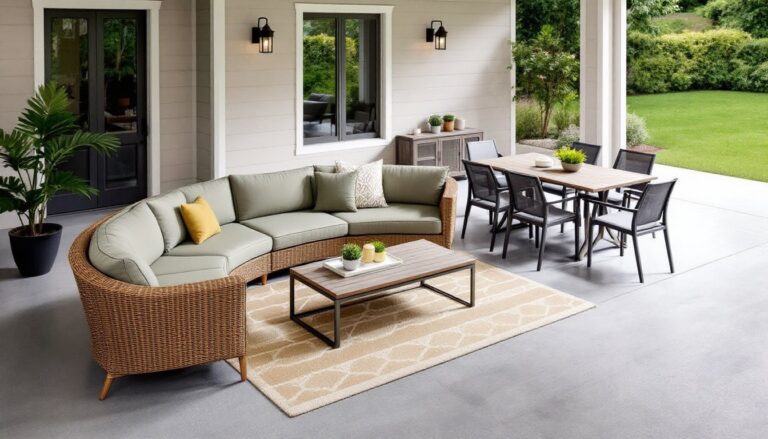
Strathmere Collection: This is Hanover’s flagship wicker sectional line, featuring hand-woven resin wicker over rust-proof aluminum frames. The collection includes modular corner chairs, armless middle sections, and ottomans with hidden storage. Cushions come in navy, tan, and gray options. The Strathmere works well for covered patios or screened porches where you want a living-room feel outdoors.
Ventura Collection: A mid-century modern design with clean lines, sling-style seating, and aluminum frames. The mesh fabric dries quickly after rain and doesn’t require cushion storage. This collection suits minimalist spaces and holds up well in full sun, the fabric won’t sag or stretch like cheaper sling chairs. Ideal for pool decks or coastal environments where salt air accelerates corrosion on lesser materials.
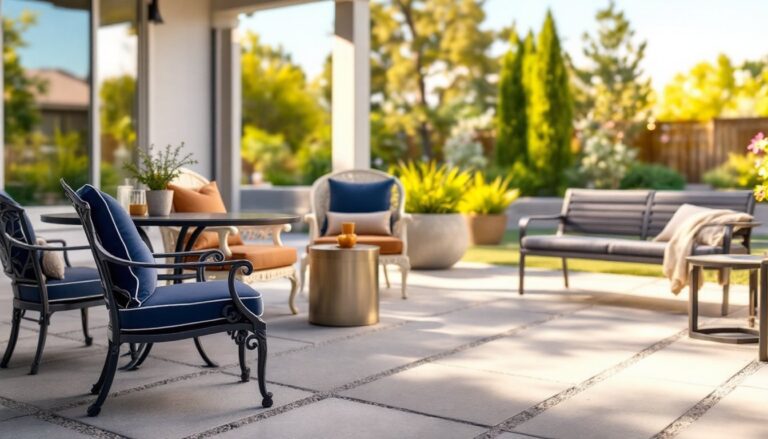
Traditions Collection: Cast aluminum dining sets with intricate lattice patterns and a heavier build. These pieces weigh 30–50% more than hollow tube aluminum furniture, which means better wind resistance and a more substantial feel. The Traditions line includes 7-piece and 9-piece dining sets with round, square, or rectangular tables. Pair with a cantilever umbrella (9–11 feet) for shade coverage during summer meals.
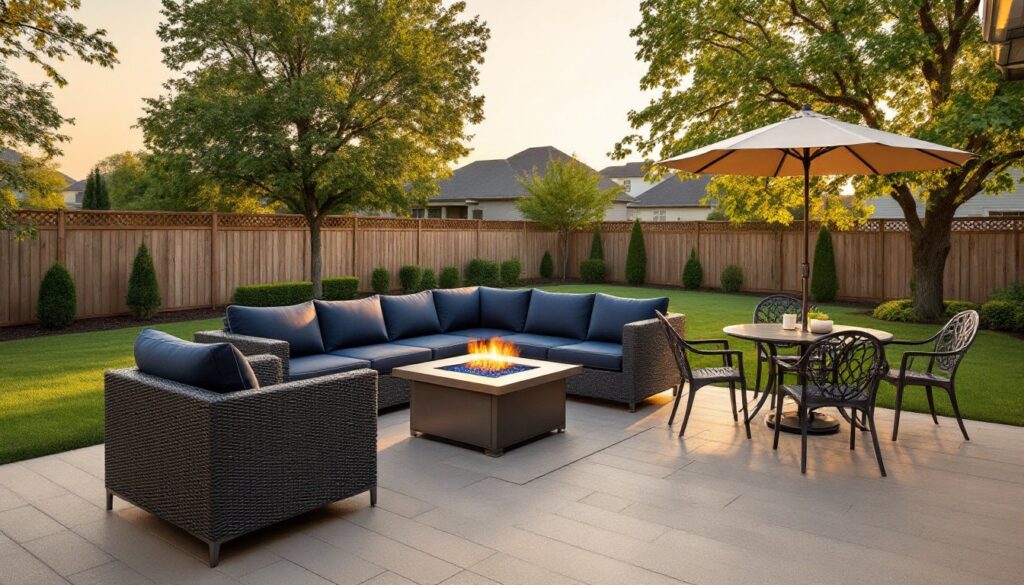
Monaco Collection: Combines a fire pit table (typically 40,000–50,000 BTU output) with cushioned lounge chairs or a sectional. The fire pit runs on standard 20-pound propane tanks housed in the table base. Lava rocks or fire glass top the burner. This collection targets homeowners extending their outdoor season into shoulder months when evenings get chilly.
Choosing the Right Hanover Set for Your Space
Measure twice, order once. Outdoor furniture looks smaller on a showroom floor or website photo than it will on your deck. Map out your space with painter’s tape on the ground, marking the footprint of the furniture plus 24–30 inches of clearance for walking paths. Sectionals, especially deep-seat models, can easily consume 10×12 feet.
Consider sun exposure and material choice. Full-sun areas benefit from aluminum or steel frames with sling fabric or quick-dry cushions. Wicker looks great but can fade faster under intense UV, some collections use UV-stabilized resin rated for 2,000+ hours of sun exposure, but cheaper wicker will bleach and crack. If your patio gets afternoon sun (the harshest), budget for a retractable awning or large umbrella, or plan to store cushions during peak UV hours.
Match furniture weight to wind conditions. Coastal and hilltop properties need heavier pieces or anchoring straps. Cast aluminum dining sets (70+ pounds per chair) won’t blow around. Lightweight resin wicker chairs (20–30 pounds) need tie-downs or weighted bases in windy zones. Hanover sells furniture clips and stabilizer kits for modular sectionals, use them.
Think about storage. Deep cushions (5–6 inches thick) take up serious space. If you don’t have a shed or garage, look for deck boxes (150-gallon minimum for a 6-piece sectional’s cushions) or collections with quick-dry mesh seating that doesn’t require cushion removal. Storing cushions extends their lifespan by years, especially in regions with freeze-thaw cycles or high humidity.
Materials and Durability: What to Expect
Aluminum frames: Hanover uses powder-coated aluminum in most collections. Powder coating is baked on at high heat, creating a durable finish that resists chips and rust better than spray paint. Expect the coating to last 3–5 years in moderate climates, less in salt-air environments. Touch up chips with matching spray paint to prevent oxidation underneath.
Wicker resin: The hand-woven polyethylene wicker is UV-stabilized, but not UV-proof. Over time (3–5 years of full sun), expect some color fade and slight brittleness. Quality wicker has rounded, smooth strands: budget wicker shows sharp edges and thin, flat strands that crack sooner. Hanover’s wicker falls in the mid-tier, better than big-box store brands, not quite commercial hospitality grade.
Cushion fabrics: Most Hanover cushions use solution-dyed acrylic, where color is added during fiber production (not printed on afterward). This makes the fabric colorfast and resistant to chlorine, saltwater, and mildew. The fabric is water-resistant, not waterproof, cushions will absorb some moisture during heavy rain. Let them air-dry fully before storing to prevent mold. Zippers are usually coil-style (more durable than chain zippers) and placed on the bottom or back for cleaner aesthetics.
Steel components: Fire pit tables and some dining sets use powder-coated steel for structural support. Steel is stronger than aluminum but heavier and more prone to rust if the coating is scratched. Inspect welds and joints annually: touch up any exposed metal immediately.
Hanover’s durability sits in the 5–7 year range with regular maintenance in temperate climates. In harsh conditions (coastal salt air, desert sun, or areas with heavy snow), expect closer to 3–5 years before frames show wear or fabrics need replacement. That’s fair performance at this price point.
Maintenance Tips to Keep Your Hanover Furniture Looking New
Weekly during use season:
- Brush off pollen, leaves, and debris before it stains or traps moisture.
- Wipe down frames with a damp microfiber cloth to remove dust and prevent buildup in wicker crevices.
Monthly deep clean:
- Mix 2 tablespoons of mild dish soap (Dawn or similar) per gallon of warm water.
- Scrub wicker and frames with a soft-bristle brush (an old toothbrush works for tight spots).
- Rinse thoroughly with a garden hose, don’t use a pressure washer, which can damage wicker weave or strip powder coating.
- Let frames air-dry completely before replacing cushions.
Cushion care:
- Vacuum cushions monthly to remove embedded dirt that acts like sandpaper on fabric fibers.
- Spot-clean spills immediately with mild soap and cold water: blot, don’t rub.
- For deeper cleaning, remove covers (if zippered) and machine wash on gentle cycle in cold water. Air-dry only, heat shrinks fabric and weakens elastic. If covers don’t zip off, hand-scrub with a brush and hose down.
- Apply a fabric protector spray (like 303 Fabric Guard) annually to restore water resistance.
Off-season storage:
- Store cushions in a dry, ventilated space. Plastic bins trap moisture, use breathable storage bags or leave bin lids cracked.
- Cover frames with breathable outdoor furniture covers (not tarps, which trap condensation). Secure covers with tie-downs so wind doesn’t rip them off.
- In freeze zones, drain water from fire pit table compartments and disconnect propane tanks.
Frame touch-ups:
- Inspect powder coating each spring. Touch up chips or scratches with matching spray paint (look for “outdoor” or “metal” formulations). Sand lightly, prime bare metal, then apply 2–3 thin coats.
- Tighten bolts and screws annually, thermal expansion and contraction loosen hardware over time.
Proper care extends furniture life and keeps warranties valid. Most Hanover warranties exclude damage from neglect or improper storage.
Where to Buy and What to Look For
Hanover sells through big-box retailers (Home Depot, Lowe’s), online marketplaces (Amazon, Wayfair), and their direct website. Pricing is usually consistent across platforms, but watch for seasonal clearance in late summer (August–September) when retailers make room for fall inventory. Discounts can hit 30–40% on floor models or last year’s colors.
In-store benefits: You can inspect weave quality, test cushion firmness, and check frame welds. Sit in the chairs, some Hanover deep-seat designs are too deep for shorter users (under 5’4″). Measure seat depth (front edge to backrest) and compare to your current seating.
Online benefits: Wider selection and easier comparison shopping. Read reviews focusing on shipping damage and assembly difficulty. Hanover furniture usually ships in 2–4 boxes: sectionals require assembly (attaching legs, connecting modular pieces). Budget 1–2 hours and have a drill/driver and adjustable wrench ready.
What to inspect on arrival:
- Check all boxes for damage before signing delivery receipt. Note damage on receipt if present.
- Count hardware bags and match against the instruction sheet. Missing bolts delay assembly.
- Inspect wicker weave for loose ends or gaps, quality control occasionally misses issues.
- Test cushion zippers and check stitching at stress points (corners, seams).
Warranty registration: Register your purchase within 30 days. Hanover requires proof of purchase and photos for warranty claims. Keep your receipt and take photos of the furniture when new, helpful for “before and after” comparisons if you file a claim.
Pricing ranges from $800–$3,500 depending on set size and collection. A 5-piece wicker sectional typically runs $1,200–$1,800: a 7-piece dining set with fire pit table runs $2,000–$3,000. Those figures reflect 2026 pricing and will vary by region and retailer promotions.
Compare Hanover against brands like Hampton Bay (Home Depot’s house brand) or Allen + Roth (Lowe’s) for budget alternatives, or step up to Tropitone or Brown Jordan for commercial-grade quality at double the price. Hanover occupies the middle ground, better than entry-level, not quite luxury.
Conclusion
Hanover delivers solid mid-range patio furniture that balances quality and cost. The brand won’t impress design purists, but it meets the practical needs of homeowners who want outdoor furniture that lasts several seasons with reasonable care. Choose collections based on your climate, measure your space carefully, and commit to basic maintenance. With realistic expectations, Hanover sets provide good value for outdoor living spaces.