
Table of Contents
ToggleLiving room tables do more than hold remotes and coffee mugs, they anchor seating arrangements, define traffic flow, and set the tone for the entire space. Choose poorly, and you’ll be sidestepping sharp corners or straining to reach your drink. Get it right, and tables become the hardworking foundation that makes a room both functional and inviting. With trends leaning toward mixed materials, modular designs, and pieces that earn their square footage, 2026 is a good year to rethink how tables fit into living spaces. This guide covers types, sizing rules, material considerations, and arrangement strategies that work in real homes.
Key Takeaways
- Living room furniture tables anchor seating, define traffic flow, and set the room’s tone—making proper sizing and placement essential for both function and aesthetics.
- Coffee tables should be roughly two-thirds your sofa’s width and positioned 16–18 inches away with a height matching sofa seat level to ensure comfort and easy reach.
- End tables work best when their height matches the sofa arm (24–27 inches) and include storage or power integration for practical convenience in high-traffic areas.
- Choose materials based on durability needs: solid hardwood lasts decades, engineered wood suits low-traffic spots, tempered glass keeps sight lines open, and stone adds luxury but requires sealing and careful maintenance.
- Arrange tables with 12–18 inches clearance from seating and 30–36 inches between furniture for comfortable passage, and consider asymmetrical or nested table groupings for flexibility and visual interest.
- Test your table arrangement by sitting on the sofa and checking reach distances and traffic flow before purchasing—painter’s tape outlines help visualize dimensions without committing to the final buy.
Understanding the Different Types of Living Room Tables
Not all tables serve the same purpose. Matching the right type to the task keeps a living room from feeling cluttered or underequipped.
Coffee Tables: The Centerpiece of Your Seating Area
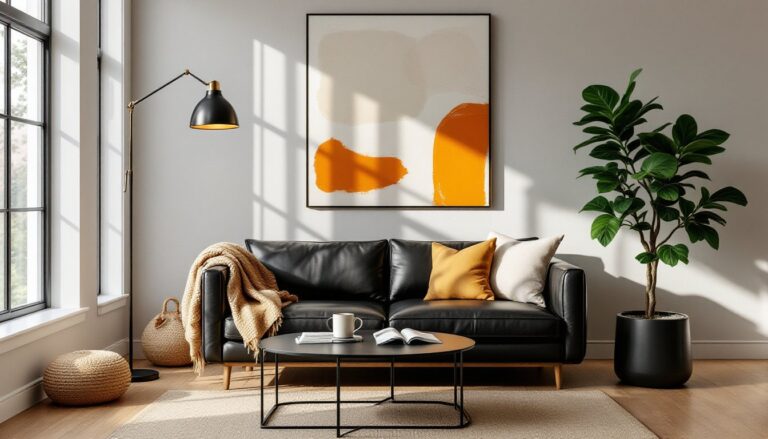
Coffee tables sit front and center, typically 16–18 inches from the sofa edge to allow legroom without stretching to reach a drink. Standard height runs 16–18 inches, which aligns with most sofa seat cushions (17–19 inches high). Length should be roughly two-thirds the sofa’s width, a 90-inch sofa pairs well with a 60-inch coffee table.
Three common configurations:
- Rectangular: Best for long sofas or sectionals. Provides maximum surface area for trays, books, or centerpiece arrangements.
- Round or oval: Softens angular rooms and improves traffic flow in tight spaces. No sharp corners to catch shins.
- Nested or lift-top: Nested tables pull apart for extra surface when hosting: lift-tops raise to dining or laptop height. Both work well in smaller rooms where flexibility matters.
Material choice affects durability. Solid wood (oak, walnut, maple) handles daily wear and can be refinished. Engineered wood with veneer costs less but won’t survive multiple sandings. Tempered glass shows fingerprints but keeps sight lines open, helpful in compact layouts. Metal frames add industrial edge and pair well with reclaimed wood tops, a trend highlighted by designers at Design Milk for mixed-material aesthetics.
Safety note: If young kids are in the house, round or padded-edge tables reduce injury risk. Anchor tall lift-top mechanisms to prevent tipping.
End Tables and Side Tables: Functional Accents
End tables (also called side tables) flank sofas or chairs, holding lamps, drinks, or phones within arm’s reach. Height should match or sit slightly below the sofa arm, typically 24–27 inches tall. Too low, and reaching feels awkward: too high, and the lamp shade blocks sight lines.
Width and depth matter less than footprint. In narrow spaces, a 12-inch-deep table works: next to a wide sectional, go 18–24 inches to balance proportions. C-shaped tables slide under sofa arms, ideal for small apartments where floor space is tight.
Consider these features:
- Storage: Drawers or shelves hide remotes, charging cables, and reading glasses. Open shelves suit decorative displays but collect dust.
- Power integration: Some models include built-in USB ports or outlets, useful near recliners or reading chairs. Look for UL-listed electrical components.
- Mobility: Tables with casters move easily for cleaning or rearranging. Locking wheels prevent drift on hard floors.
Materials follow the same rules as coffee tables, but end tables offer more room to mix finishes. A metal-and-glass coffee table pairs well with wood side tables as long as the undertones (warm vs. cool) align. Rooms styled with rustic farmhouse pieces often lean into mismatched wood tones for a collected-over-time feel.
How to Choose the Right Size and Proportion
Guesswork leads to awkward gaps or cramped pathways. Measure before shopping, and bring a tape measure to the showroom floor.
Coffee table rules:
- Height: Within 1–2 inches of sofa seat height. Lower works for floor-cushion setups: higher suits deep-pile rugs where the table appears to sink.
- Length: Two-thirds the sofa length. A 72-inch sofa needs a 48-inch table.
- Clearance: 12–18 inches between table edge and sofa. Less feels cramped: more requires leaning forward.
- Traffic flow: Leave 30–36 inches between the table and other furniture or walls for comfortable passage.
End table rules:
- Height: Match the sofa arm or come within 2 inches. If placing a lamp, measure from table surface to bottom of shade, it should sit at eye level when seated (typically 40–42 inches total).
- Scale: A slender sofa arm (6 inches wide) looks overwhelmed by a 24-inch-square end table. Aim for table width equal to or slightly narrower than the arm.
In open-concept layouts, tables help define zones. A console table behind the sofa creates a visual boundary between the living and dining areas without blocking sight lines. Standard console height is 30–36 inches, matching dining or counter height.
Pro tip: Use painter’s tape to outline table dimensions on the floor before purchasing. Walk the space to check clearances and sight lines. It’s easier to adjust tape than return a 200-pound marble table.
For rooms with non-standard furniture heights, low-profile sectionals popular in modern designs, or vintage high-back sofas, custom dimensions may be necessary. Many model home showrooms display scaled arrangements that show proportion in context, which helps visualize fit better than showroom tags alone.
Popular Materials and Styles for Living Room Tables
Material choice impacts durability, maintenance, and cost. Style dictates how tables integrate with existing decor.
Wood:
- Solid hardwood (oak, maple, cherry, walnut) lasts decades. Expect $300–$1,500+ for coffee tables depending on size and joinery quality. Look for mortise-and-tenon or dovetail joints, not just screws and glue.
- Engineered wood (MDF, particleboard with veneer) costs $100–$400. Fine for low-traffic areas but won’t handle moisture or refinishing. Veneer peels if edges take hard knocks.
- Reclaimed or barn wood brings character and sustainability. Prices vary widely: verify the wood is kiln-dried to prevent pest issues and warping.
Finish options: Oil (penetrating, natural look, easy touch-ups), polyurethane (durable plastic-like coating, resists water and heat), or lacquer (smooth, hard finish common on mid-century pieces). Polyurethane handles daily use best but shows scratches more than oil.
Metal:
Steel or aluminum frames add industrial or modern flair. Powder-coated finishes resist rust: raw steel develops patina over time, intentional in some designs, problematic in humid climates. Welded joints outlast bolted ones.
Metal pairs well with wood, glass, or stone tops. Tubular steel legs keep weight low for easy moving: solid bar stock adds heft and stability.
Glass:
Tempered glass (heat-treated for strength) is required for table tops, it shatters into small pebbles rather than shards if broken. Thickness matters: ½ inch (12 mm) for coffee tables, ⅜ inch (10 mm) minimum for end tables.
Glass shows every fingerprint and water ring. Daily wipe-downs with glass cleaner keep it presentable. Clear glass maintains open sight lines: frosted or tinted hides smudges better.
Stone (Marble, Granite, Quartz):
Heavy, luxurious, and expensive ($800–$3,000+). Marble stains easily, seal it annually and wipe up spills immediately. Granite and engineered quartz resist staining better. Expect 150–300 pounds for a typical coffee table: floor joists in older homes may need inspection if placing heavy stone furniture over a basement or crawl space.
Style considerations:
- Mid-century modern: Tapered wood legs, clean lines, walnut or teak finishes. popularized by Scandinavian designers, still trending in 2026.
- Industrial: Metal frames, reclaimed wood, visible hardware. Pairs well with exposed brick or concrete.
- Farmhouse/Rustic: Chunky wood, distressed finishes, turned legs. Often features planked tops or X-bracing.
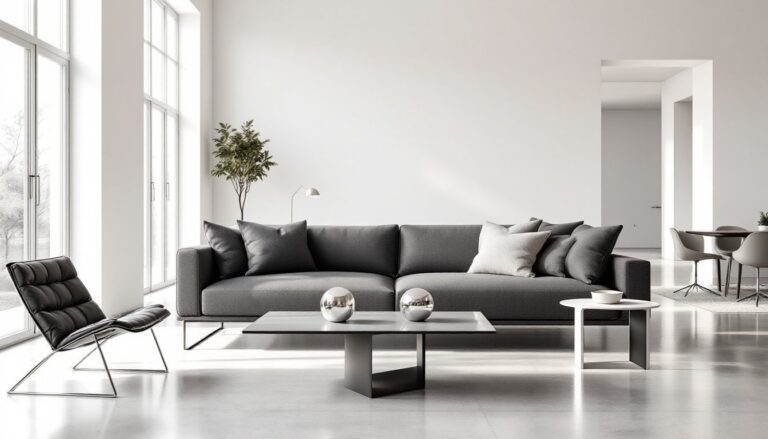
- Contemporary/Minimalist: Sleek materials (glass, lacquered wood, polished metal), geometric shapes, minimal ornamentation.
Trends for 2026 lean toward mixed materials, concrete tops with wood bases, metal frames with woven rattan shelves. Publications like Elle Decor showcase layered textures that add depth without clutter, though achieving the look requires careful balance to avoid a “trying too hard” effect.
Arranging Multiple Tables for Maximum Impact
Grouping tables strategically improves function and visual interest. Balance symmetry with practical access.
Symmetrical arrangements:
One coffee table centered in front of the sofa, flanked by matching end tables at each arm. Classic setup, easy to execute, works in formal or traditional rooms. Keeps sight lines clear and traffic flow predictable.
Asymmetrical arrangements:
Mix table sizes and heights for a collected look. Pair a low rectangular coffee table with one tall end table and one shorter stool-style side table. Breaks monotony but requires more planning, mismatched scales can look accidental rather than intentional.
Nested or clustered tables:
Two or three small tables (varying heights and shapes) group together or scatter as needed. Great for flexible entertaining, pull apart for extra surface when guests arrive, nest together to open floor space. Common in Scandinavian and modern designs.
Console tables behind sofas:
In open-concept layouts, a console table (30–36 inches tall, 10–14 inches deep) sits behind the sofa to create a boundary. Top it with lamps, plants, or books. Some DIYers build custom consoles to match exact room dimensions: woodworking tutorials offer plans for simple frame-and-shelf designs using standard dimensional lumber (2×4s, 1×10s).
Spacing tips:
- Keep 12–18 inches between coffee table and seating.
- Leave 24–30 inches between end tables and adjacent furniture for comfortable passage.
- Avoid blocking electrical outlets, side tables near outlets accommodate lamps without extension cords snaking across the floor.
Rug integration:
Ideally, all table legs sit on the rug, or all sit off. Partially on/off looks unfinished. If the rug is too small, consider placing only the coffee table on it and keeping end tables on bare floor, works if flooring and rug colors coordinate.
Visual weight:
A heavy marble coffee table balances a large sectional: a delicate glass table suits a loveseat or apartment-scale sofa. Mix materials to add contrast, glass and metal tables lighten the look of dark wood furniture, while chunky wood tables ground a room with lots of upholstery and soft textures.
Retailers like those featured in local furniture guides often stage rooms with multiple table types, making it easier to see proportion and spacing in real-world contexts rather than isolated showroom vignettes. Pay attention to how tables relate to each other and to the overall room footprint.
Lighting considerations:
End tables with lamps should position the bulb at eye level when seated (roughly 40–42 inches from the floor). Three-way bulbs (50/100/150-watt equivalent in LED) offer flexibility. Dimmers help adjust ambiance but verify compatibility with LED bulbs to avoid flickering.
Final check:
Sit on your sofa and reach for an imaginary drink. Can you set it down without leaning forward or stretching sideways? Can you walk through the room without turning sideways or doing the furniture shuffle? If yes, the arrangement works. If no, adjust spacing or table size before committing.
Conclusion
Living room tables aren’t afterthoughts, they shape how a space functions and feels. Measure carefully, choose materials that match use patterns, and arrange for both convenience and flow. Whether outfitting a compact apartment or a sprawling family room, the right tables make daily life easier and guests more comfortable. Take the time to get proportions right, and the room works better for years.