Table of Contents
ToggleBuilding an outdoor kitchen isn’t just about adding a grill to the patio. The furniture surrounding that cooking space determines whether the area becomes the hub of summer gatherings or an underused corner that collects leaves. Outdoor kitchen furniture needs to handle weather exposure, support real-world use during prep and dining, and tie the space together functionally. From material selection to layout logistics, getting the furniture right separates a weekend cookout setup from a legitimate outdoor living investment. This guide covers the essential pieces, materials that actually last, and practical layout strategies that maximize both cooking workflow and guest comfort.
Key Takeaways
- Outdoor kitchen furniture must withstand UV exposure, temperature swings, and moisture—choosing durable materials like teak, powder-coated aluminum, or high-density polyethylene prevents frequent replacement cycles.
- Position your dining table 6 to 8 feet from the grill and allow 24 to 30 inches of clearance for chairs to pull out, ensuring guest comfort without interference with the cooking workflow.
- Material selection directly affects maintenance demands: teak requires annual oil treatment, powder-coated finishes need touch-ups on scratches, and granite or concrete tops need sealing every 1 to 2 years.
- Counter-height bar stools (24-inch height) positioned along your kitchen island or counter create a natural gathering point where guests can watch food preparation without standing.
- Create distinct zones for cooking, dining, and lounging by using outdoor kitchen furniture strategically, with area rugs and pergolas to define spaces and provide shade for comfortable entertaining.
- Routine maintenance—washing furniture every 4 to 6 weeks, removing cushions during rain, and inspecting hardware twice per season—extends the lifespan of outdoor pieces and keeps them looking new.
Why Outdoor Kitchen Furniture Matters for Your Backyard
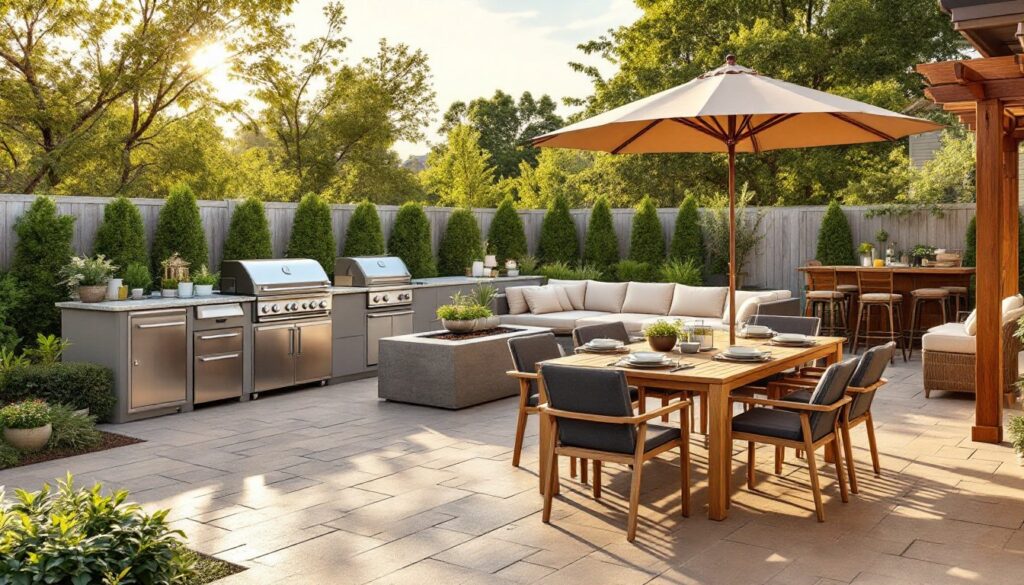
Outdoor kitchen furniture defines how the space functions under real use. A well-chosen dining table positions guests near the cook without crowding the workspace. Bar seating along a counter creates a natural gathering point where people can chat while food prep happens. Storage benches double as seating and keep utensils or cushions protected from weather.
Unlike indoor furniture, outdoor pieces face UV exposure, temperature swings, and moisture, sometimes all in the same afternoon. Choosing furniture built for exterior conditions prevents the cycle of replacing warped wood or rusted frames every few seasons. Weight matters too: lightweight aluminum chairs blow over in wind, while solid teak or powder-coated steel stays put.
Functionality extends beyond durability. Counter-height tables work better near grills and prep stations, keeping serving heights consistent. Dining tables need enough clearance for chairs to pull out without hitting planters or grill carts. Bar stools require footrests and backs if guests will sit longer than a quick drink. These details affect whether people actually use the space or drift back indoors.
Essential Furniture Pieces for Your Outdoor Kitchen
Start with the core pieces that support cooking and dining. A prep cart or island with a stainless steel or granite top provides workspace adjacent to the grill. Models with shelving underneath store propane tanks, charcoal bags, or serving platters. Carts on locking casters offer flexibility for rearranging the layout or moving them aside for deep cleaning.
Bar seating works well along a counter or kitchen island. Counter-height stools (24-inch seat height for 36-inch counters) let guests watch the cooking process without standing. Look for models with weather-resistant cushions or sling fabric that drains water. Avoid bare metal seats, they turn into branding irons in direct sun.
Storage solutions keep the area functional without clutter. Deck boxes or storage benches hold grilling tools, tablecloths, and cushions between uses. Choose units with ventilated lids to prevent mildew on fabric items. Stainless steel cabinets integrate with built-in kitchens but require professional installation and cost significantly more than freestanding options.
Dining Tables and Seating Options
The dining table anchors the social side of an outdoor kitchen. Rectangular tables suit long, narrow patios and seat more people per square foot. Round or oval tables encourage conversation and fit better in compact spaces, though they limit seating capacity. Plan for 24 inches of table width per person: a 72-inch rectangular table comfortably seats six to eight.
Chair selection depends on how long guests typically linger. Stackable resin or metal chairs work for casual meals and store efficiently. Cushioned dining chairs with weather-resistant fabric (solution-dyed acrylic or polyester) add comfort for extended dinners but require seasonal storage in harsh climates. Benches maximize seating along one side of a table and slide underneath when not in use.
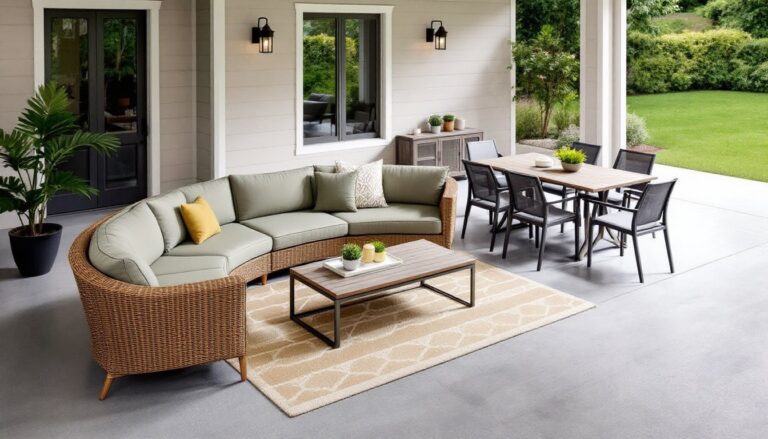
For mixed-use areas, consider modular seating. Sectional pieces rearrange for different group sizes, and some include hidden storage under seat cushions. Pair with a coffee table or ottoman that doubles as extra surface space during meal service.
Choosing the Right Materials for Durability and Style
Material choice directly impacts maintenance schedules and replacement costs. Teak remains a top option for wooden furniture due to natural oils that resist rot and insects. It weathers to a silver-gray patina unless treated annually with teak oil. Expect to pay premium prices, $800 to $2,000 for a quality dining table. Eucalyptus offers similar rot resistance at a lower price point but requires more frequent sealing.
Powder-coated aluminum combines light weight with rust resistance. Quality frames feature welded joints rather than bolted connections, which loosen over time. The powder coating protects against UV fading, but scratches expose bare metal that can corrode. Aluminum heats up quickly in sun, so choose models with slatted tops that allow airflow or plan to use tablecloths.
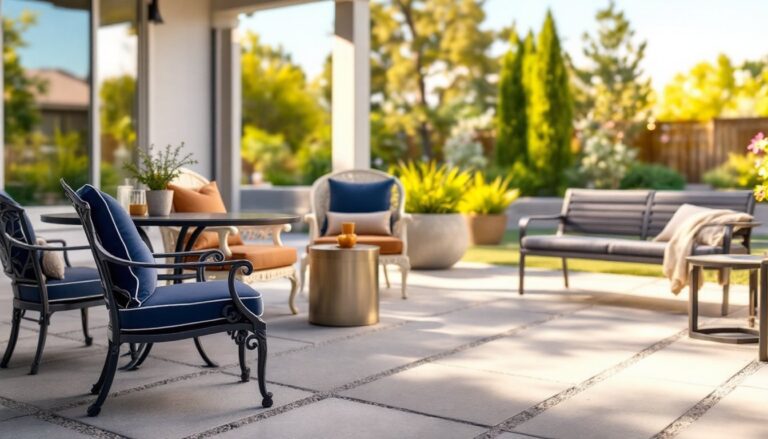
Wrought iron or steel furniture provides stability in windy areas and supports intricate designs. Look for hot-dip galvanized or powder-coated finishes: spray-painted steel rusts through in two to three seasons. Steel weighs significantly more than aluminum, making it harder to rearrange but less likely to tip or blow over.
Wicker and rattan create a traditional patio aesthetic but require specific construction for outdoor use. All-weather wicker uses synthetic resin woven over aluminum or steel frames. Natural wicker breaks down under UV exposure and moisture, save it for covered porches. Check that wicker strands are UV-stabilized and woven tightly: loose weaves snag clothing and unravel faster.
High-density polyethylene (HDPE) lumber, often called poly lumber, mimics wood without the maintenance. It won’t splinter, crack, or need staining, and it’s made from recycled plastic. But, HDPE can flex under weight: ensure furniture has properly braced frames. Color options are limited compared to natural wood or metal finishes, and many homeowners find the texture less appealing than real wood grain. Some outdoor kitchen designs incorporate rustic furniture styles that blend well with natural landscapes.
Granite or concrete tabletops handle hot pans and resist staining better than wood. Granite requires sealing every one to two years to prevent moisture absorption. Concrete can crack in freeze-thaw cycles unless properly reinforced and sealed. Both materials add significant weight, confirm that bases can support 150 to 300 pounds for typical dining table tops.
Layout and Design Tips for Maximum Functionality
Plan the furniture layout around the cooking workflow before locking in placements. The work triangle concept from indoor kitchens, grill, prep area, and refrigeration forming a triangle with 4- to 9-foot sides, applies outdoors too. Position the dining table 6 to 8 feet from the grill to keep guests near the action without putting them in the smoke path or grease splatter zone.
Account for clearance space. Chairs need 24 to 30 inches to pull out from a table, plus 18 inches of passage space behind seated guests for serving. Grill lids swing open and require clearance: a standard kettle grill needs 30 inches of open space behind it when the lid is raised. Many outdoor kitchen designs emphasize these workflow considerations for small spaces.
Create distinct zones for cooking, dining, and lounging if square footage allows. A prep and cooking zone includes the grill, side burners, prep cart, and bar seating. The dining zone centers on the table with enough room for serving platters and condiments. A lounge zone with deep seating and a fire pit extends usability into cooler evenings. Use area rugs rated for outdoor use to visually define each zone, polypropylene rugs resist mold and fade less than natural fiber options.
Consider sun and wind patterns. Morning sun on the dining table works for breakfast setups but turns uncomfortable by afternoon. A pergola or cantilever umbrella (9 to 11 feet in diameter for standard dining tables) provides adjustable shade. Anchor umbrellas with 50-pound bases: lighter bases tip in wind gusts above 15 mph. Furniture placement near walls or hedges blocks wind but can trap heat, test airflow during typical entertaining hours.
Built-in furniture increases permanence and property value but limits flexibility. Stucco or stone knee walls with concrete cap tops create built-in bar seating. Pair with cushions cut to fit and stored indoors between uses. Freestanding furniture allows seasonal rearrangement and easier access for deck refinishing or repairs underneath. For ideas on integrating furniture with regional home styles, Southern outdoor living spaces showcase various porch and patio arrangements.
Maintenance and Care for Long-Lasting Outdoor Furniture
Routine cleaning prevents buildup that degrades finishes and fabric. Wash metal and plastic furniture with mild dish soap and water every four to six weeks during active seasons. Rinse thoroughly, soap residue attracts dirt. For teak and eucalyptus, scrub with a soft brush and teak cleaner twice per season to remove surface grime and mildew. Skip pressure washers on wood: they splinter the surface and drive water into joints.
Cushion maintenance determines how long fabric lasts. Remove cushions during rain unless they’re specifically designed to drain and dry quickly (open-cell foam with mesh bottoms). Brush off debris weekly and spot-clean spills immediately with diluted mild detergent. Most outdoor cushions have removable covers: machine wash in cold water on gentle cycle and air dry. Never use bleach on solution-dyed acrylic, it weakens fibers.
Protect furniture during off-season or extended non-use. Furniture covers reduce UV exposure and keep debris off, but they must allow airflow, non-breathable vinyl traps moisture and accelerates mold growth. Covers with elastic hems and tie-down straps stay put in wind. Store cushions in a dry garage or shed: even weather-resistant fabric degrades faster when left out year-round in freezing or high-humidity climates.
Inspect hardware and joints twice per season. Tighten loose bolts on aluminum frames before they stress and crack joints. Apply marine-grade lubricant to moving parts like folding mechanisms or recliner hinges. Touch up scratches on powder-coated finishes with matching spray paint or brush-on coating to prevent rust from spreading. Check for insect activity in wooden furniture, drill holes or sawdust indicate carpenter bees or termites that require treatment.
Reapply protective finishes as needed. Teak oil or sealer maintains color but requires reapplication every six to twelve months depending on sun exposure. Let wood dry completely before applying, damp wood won’t absorb the finish. Granite and concrete tops need penetrating sealer annually: water should bead on the surface, not soak in. For design inspiration and care tips across various outdoor spaces, home design resources often feature seasonal maintenance guides.
Safety note: Always wear gloves when handling cleaners and sealers. Work in ventilated areas when using solvent-based products. Check manufacturer care instructions, some materials void warranties if cleaned with incompatible products.
Conclusion
Outdoor kitchen furniture turns a grill into a full entertaining space when chosen and maintained properly. Focus on materials that handle local climate conditions, lay out zones that support cooking workflow and guest comfort, and commit to the maintenance schedule each material demands. The right pieces withstand years of use and weather exposure, making the backyard kitchen a functional extension of the home.