
Table of Contents
ToggleMemorial Day weekend isn’t just about honoring veterans and firing up the grill, it’s one of the smartest times to upgrade outdoor living spaces without blowing a budget. Retailers clear out patio inventory ahead of mid-summer shipments, making late May the prime window for deep discounts on everything from aluminum sectionals to teak dining sets. Homeowners who know where to look and what to prioritize can save 30–60% compared to April or June prices. This guide walks through timing, material quality, style selection, and prep strategies to help shoppers navigate Memorial Day patio furniture sales with confidence and come home with pieces built to last.
Key Takeaways
- Memorial Day is the best time to buy patio furniture, with discounts typically ranging from 25–60% off as retailers clear spring inventory before summer shipments arrive.
- Prioritize material quality over discount percentages by choosing powder-coated aluminum, teak, eucalyptus, or solution-dyed acrylic cushions that resist rust, fading, and weathering.
- Measure your outdoor space carefully and research baseline prices in April to compare Memorial Day patio furniture sale discounts against realistic original prices, not artificially inflated markdowns.
- Match furniture style to your space size—conversation sets for compact patios, sectionals for larger decks, and dining sets requiring adequate clearance—to avoid buyer’s remorse.
- Prepare ahead by signing up for retailer email lists, comparing online versus in-store pricing, and planning logistics like vehicle space or delivery two weeks before the holiday.
- Inspect hardware quality, test for wobbling, check cushion construction, and don’t hesitate to negotiate floor model prices, as overall construction standards directly impact durability.
Why Memorial Day Is the Best Time to Buy Patio Furniture
Retailers follow predictable inventory cycles, and patio furniture hits peak discount around Memorial Day for a few practical reasons. First, spring shipments have been on showroom floors for 6–8 weeks by late May, giving stores incentive to move stock before summer collections arrive in June and July. Unsold inventory ties up warehouse space and capital, so managers authorize markdowns to accelerate turnover.
Second, consumer demand shifts after Memorial Day. Early shoppers who rushed to furnish decks in April have already bought, and mid-summer buyers tend to wait for July 4th promotions. This creates a sales lull that retailers counter with aggressive holiday weekend pricing. Discounts typically range from 25–40% off on mid-tier lines and 50–60% off on floor models or discontinued colorways.
Third, many homeowners receive tax refunds in April and have discretionary cash available by late May, making them ready to spend. Retailers know this and time promotions accordingly. Big-box home improvement stores, specialty outdoor retailers, and online marketplaces all compete for attention during the same narrow window, which drives prices down further.
Finally, weather plays a role. By Memorial Day, most of the continental U.S. has warm enough temperatures to justify outdoor furniture purchases, but the peak summer heat hasn’t arrived yet. Shoppers can still comfortably visit showrooms and load purchases without the misery of a July parking lot. This combination of inventory pressure, buyer readiness, and seasonal timing makes Memorial Day the single most reliable sale period for patio furniture each year.
What to Look for in Memorial Day Patio Furniture Sales
Not all Memorial Day discounts are created equal. A deep markdown on furniture that warps, rusts, or fades by August is no bargain. Smart shoppers focus on material durability and construction details before getting dazzled by percentage-off signs.
Quality Materials That Last Beyond Summer
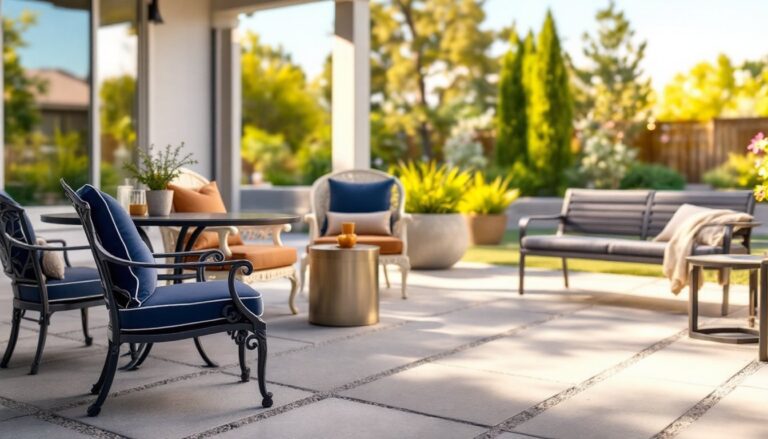
Frame material determines how furniture holds up to sun, rain, and temperature swings. Powder-coated aluminum resists rust and weighs less than steel, making it easy to rearrange but stable enough for windy decks. Avoid bare aluminum or painted finishes, which chip and oxidize faster. Wrought iron offers classic durability but requires annual rust inspection and touch-up paint, especially in humid climates.
Teak and eucalyptus are premium hardwoods with natural oils that repel moisture and insects. Teak weathers to a silver-gray patina unless treated annually with teak oil. Eucalyptus costs less but needs more frequent sealing, plan on re-coating every 18–24 months. Both outlast pine or cedar, which are fine for covered porches but struggle in direct weather exposure.
For wicker or rattan styles, look for all-weather resin wicker woven over an aluminum frame. Natural wicker disintegrates outdoors within a season or two. Resin wicker is UV-stabilized polyethylene that mimics the look without the rot. Check the weave density, tighter weaves with thicker strands last longer and support weight better.
Cushion fabric matters as much as frames. Solution-dyed acrylic (brands like Sunbrella dominate this category) resists fading and mildew because pigment is embedded in the fiber, not applied as a coating. Polyester blends fade within one summer. Foam cores should be quick-dry polyurethane with drainage channels, not standard upholstery foam, which holds water and breeds mold. If a sale price seems too good, inspect the cushion tags, that’s where manufacturers cut corners.
Hardware quality reveals overall construction standards. Stainless steel fasteners won’t rust: zinc-plated or bare steel will. Reinforced joints with corner braces or welded seams beat glue-and-screw assembly. Lift a chair and shake it, excessive wobble indicates weak joinery that won’t survive a season of use.
Best Furniture Styles for Your Outdoor Space
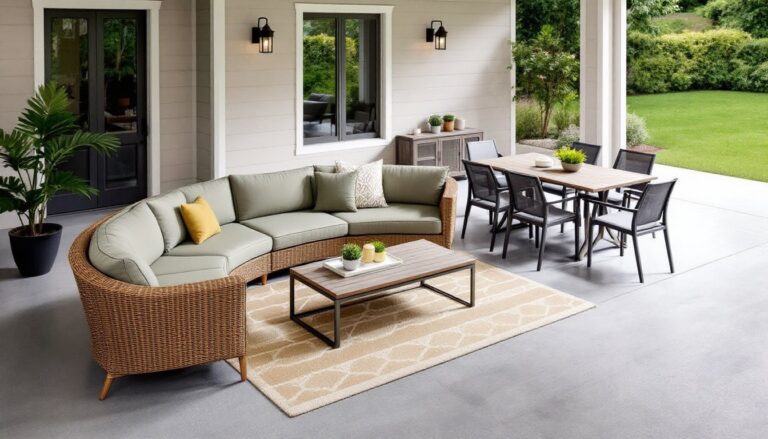
Matching furniture style to space size and usage prevents buyer’s remorse. Conversation sets (four chairs around a coffee table) work for compact patios under 100 square feet and suit casual entertaining. Sectionals fit larger decks and provide flexible seating but require at least 120 square feet to avoid a cramped feel. Modular sectionals with movable pieces adapt to different layouts, worth the extra cost if the space serves multiple functions.
Dining sets need clearance. A six-seat table requires roughly 10 feet by 10 feet of space to pull chairs out comfortably. Round tables save space in corners: rectangular tables suit long, narrow patios. Extendable tables with butterfly leaves offer versatility but add mechanical parts that can jam or break, inspect the extension mechanism before buying.
Bistro sets (small table, two chairs) fit balconies, entryways, or breakfast nooks. Look for folding models if storage is tight. Chaise lounges need 6–7 feet of length plus side clearance for getting in and out. Adjustable backs add comfort but also add weight, consider whether the furniture stays put or gets moved frequently.
For homes with both covered and open outdoor areas, prioritize weather-resistant materials for exposed zones and save budget-friendly options like sling fabric or lighter aluminum for sheltered spots. Mixing furniture lines is fine as long as finishes coordinate, black aluminum pairs well with gray wicker, for example.
Measure the space before shopping, including doorways and stairs the furniture must pass through during delivery. A sectional that fits the patio but not the gate is a costly mistake. Bring dimensions on a phone or notepad and use painter’s tape to outline furniture footprints on the deck at home, this prevents scale misjudgments that showroom lighting and wide aisles can create.
How to Prepare for Memorial Day Sales and Maximize Savings
Preparation separates shoppers who score deals from those who settle for leftovers. Start by auditing current outdoor furniture two weeks before Memorial Day. What failed? Did cushions mildew, frames rust, or fabric tear? Identifying past problems guides smarter purchases.
Research prices in April to establish baselines. Major retailers like Home Depot, Lowe’s, Wayfair, and Overstock publish spring catalogs online. Screenshot items of interest and note regular prices. When Memorial Day sales hit, compare discounts against these baselines, not inflated “original” prices. Some stores raise prices in mid-May just to mark them down on the holiday, a 40% discount on an artificially inflated price is no savings.
Sign up for email lists from patio furniture retailers at least three weeks out. Many send early-access codes or extra discounts to subscribers. Check social media accounts the Thursday and Friday before Memorial Day, flash sales and doorbusters often launch online before in-store events.
For outdoor living spaces in regions with strict HOA rules or design guidelines, verify color and style restrictions before shopping. Some communities limit furniture to neutral tones or specific materials. Buying first and checking rules later can mean returning a full patio set.
Plan logistics ahead. Measure vehicle cargo space or arrange truck rental in advance, Memorial Day weekend rental availability drops fast. Many retailers offer delivery, but fees add up. If buying in-store, bring tie-downs, blankets, and a helper. Aluminum furniture scratches easily during transport: protecting it during the drive home avoids damage before the first use.
Compare online versus in-store pricing even within the same retailer. Online exclusives sometimes beat showroom deals, but floor models offer the deepest discounts if cosmetic flaws don’t matter. Inspect floor models carefully, test all moving parts, check for bent frames, and confirm all cushions and hardware are included. Negotiate floor model prices if damage is visible.
Use credit cards with extended warranty protection or purchase coverage for high-ticket items. Patio furniture warranties vary widely, some cover frames for five years but cushions for only one. Read warranty terms before checkout, and keep receipts and model numbers for future claims.
Don’t forget prep work and maintenance supplies alongside furniture purchases. Buy furniture covers, stainless steel cleaner, teak sealer, or touch-up paint while sales are active. Protecting new furniture from day one extends lifespan and prevents early deterioration.
Finally, factor in assembly time. Most patio furniture requires some assembly, budget an afternoon for a dining set, a full day for a sectional. If assembly isn’t appealing, check whether retailers offer setup services. Some include it with delivery: others charge $50–$150 depending on complexity. A wobbly table from rushed assembly ruins the deal, so either plan time to do it right or pay for professional setup.
Conclusion
Memorial Day sales offer legitimate savings on patio furniture, but only when shoppers prioritize material quality, match furniture to space, and prepare ahead. Knowing the difference between powder-coated aluminum and bare steel, or solution-dyed acrylic and polyester, prevents costly mistakes that show up by mid-summer. Measure twice, research prices early, and don’t let a markdown percentage override durability. With a clear plan and realistic expectations, homeowners can furnish outdoor spaces with furniture that lasts well beyond one season.