
Table of Contents
ToggleShopping for living room furniture in person offers something online browsing can’t replicate: the weight of a cushion, the actual color under natural light, the chance to sit before committing. But finding quality local stores and knowing what to look for takes strategy. Whether someone’s furnishing a new space or replacing a worn-out sofa, local shopping remains one of the smartest ways to invest in pieces that’ll last. This guide walks through the practical steps to find, evaluate, and purchase living room furniture nearby, without the guesswork or regret.
Key Takeaways
- Shopping for living room furniture near you eliminates online guesswork by letting you test comfort, verify dimensions in your actual space, and arrange same-week delivery with professional installation.
- Check frame construction carefully: solid hardwood with mortise-and-tenon joinery or corner blocks, eight-way hand-tied springs, and double-stitched seams signal furniture built to last, while particleboard and stapled frames won’t withstand years of use.
- Local furniture stores often carry discounted floor models, clearance stock, and access to custom-ordered pieces from regional manufacturers that mass-market retailers don’t offer.
- Bring measurements, room photos, paint swatches, and test furniture the way you’ll actually use it—sit, recline, inspect stitching and cushion support—before committing to a purchase.
- Negotiate aggressively on floor models and clearance items, especially at month-end when sales teams have quotas; always confirm delivery details and return policies in writing before leaving the store.
- Prioritize solid wood over engineered wood for tables and storage, verify weight ratings on TV stands, and avoid pieces with strong chemical or musty odors that indicate low-quality materials.
Why Shopping Local for Living Room Furniture Makes Sense
Buying furniture locally isn’t just about supporting neighborhood businesses, though that’s a solid bonus. It’s about reducing risk.
When someone orders a sofa online, they’re betting on dimensions they’ve never confirmed in their space, fabric they’ve never touched, and assembly they might not be equipped to handle. Local stores eliminate most of that uncertainty. Shoppers can measure against their actual room layout, test seat depth and firmness, and often arrange same-week delivery with pros who know how to navigate tight stairwells.
Local retailers also tend to carry floor models and clearance stock that’s already assembled and discounted. That’s a real advantage for anyone working within a budget or timeline. And if something goes wrong, damaged upholstery, a wobbly leg, customer service is a phone call and a short drive away, not a multi-week ticket queue.
Another underrated benefit: many local furniture stores work with regional manufacturers or custom builders. That means access to made-to-order sectionals, custom fabric selections, and sizing tweaks that mass-market retailers won’t touch. When working with unique layouts or specific design requirements, those model home furniture for sale deals can also yield high-end pieces at steep discounts.
Types of Living Room Furniture to Consider
Seating Essentials: Sofas, Sectionals, and Chairs
Seating anchors the living room. Before shopping, it’s worth sketching a rough floor plan with measurements, not guesses.
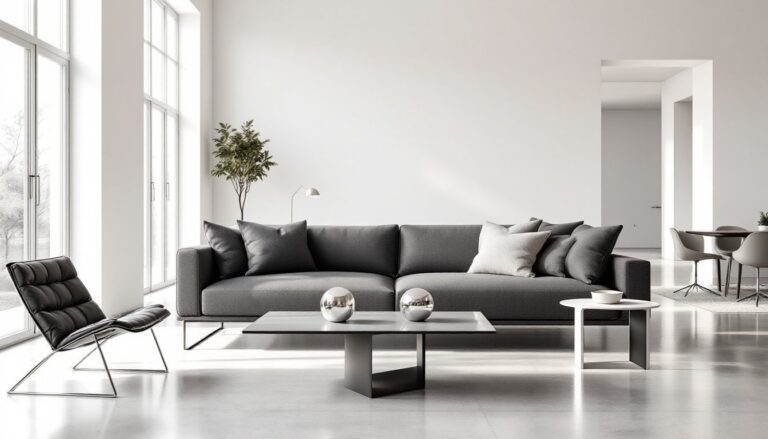
Sofas typically range from 72 to 96 inches in length. Standard seat depth is 20 to 22 inches, but deeper models (up to 24 inches) suit loungers. For smaller spaces, apartment-sized sofas (around 68 to 72 inches) exist but often sacrifice comfort. Check the frame: kiln-dried hardwood (oak, maple, or beech) holds up better than particleboard or softwood. Joinery matters too, corner blocks and double-dowel construction add years to a sofa’s life.
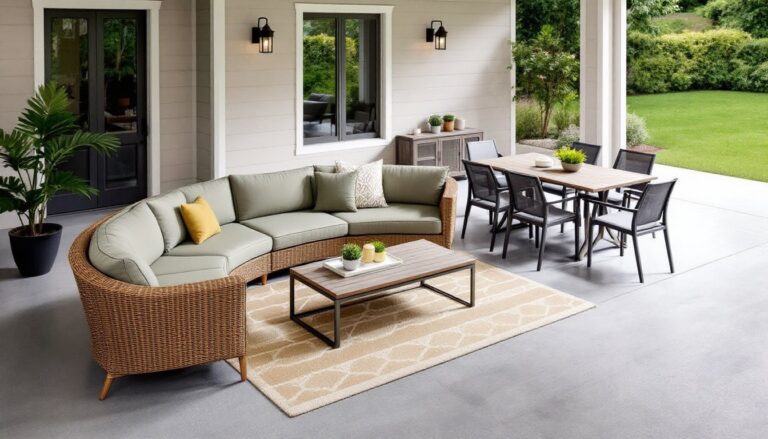
Sectionals work well in open-plan layouts or large rooms, but they’re tricky to move and reconfigure. Modular sectionals, pieces that can be rearranged, offer more flexibility than fixed L-shapes. Measure doorways and staircases before committing: many sectionals won’t fit through a standard 32-inch interior door without disassembly.
Accent chairs add seating without crowding. Wingbacks, club chairs, and recliners each serve different needs. For reading or working, look for lumbar support and arms at desk height (around 25 to 27 inches from the floor). Upholstery matters: performance fabrics (like Crypton or Sunbrella) resist stains and wear better than untreated cotton or linen.
Tables, Storage, and Accent Pieces
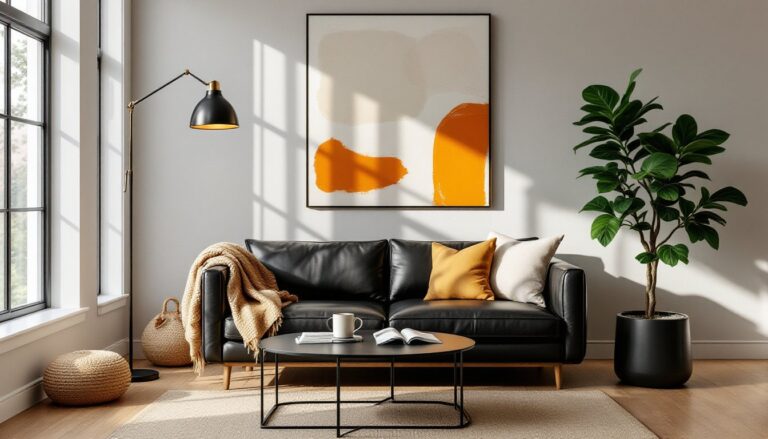
Coffee tables should sit about 16 to 18 inches from the sofa edge and roughly two-thirds the sofa’s length. Height typically lands between 16 and 18 inches, low enough to reach comfortably from a seated position. Materials range from solid wood to engineered wood, metal, and glass. Solid wood (oak, walnut, cherry) handles wear and can be refinished: engineered wood (MDF or plywood with veneer) costs less but won’t sand down if scratched.
End tables and side tables should match the sofa arm height (usually 24 to 26 inches) for easy access to drinks or remotes. Nesting tables save space and add versatility.
Media consoles and TV stands need to support the screen’s weight (check the weight rating) and allow ventilation for electronics. A 60-inch TV typically pairs with a 55 to 65-inch console. Cable management cutouts are a must unless someone wants a nest of visible wires.
Bookcases and storage cabinets keep clutter in check. Adjustable shelves offer more long-term flexibility than fixed ones. For heavy book loads, look for shelves made from ¾-inch plywood or solid wood: anything thinner will sag over time. Outlets and adjustable shelving can also be found with modern living room furniture that blends function with style.
How to Find the Best Furniture Stores Near You
Start with a map search for “furniture stores near me” or “living room furniture [city name].” Filter results by customer ratings and read recent reviews, not just the star average. Look for mentions of delivery timelines, return policies, and customer service responsiveness.
Local classifieds and marketplace apps (Facebook Marketplace, Craigslist, OfferUp) often list gently used or vintage pieces at a fraction of retail. Estate sales and consignment shops are goldmines for solid wood furniture and mid-century designs that’ll outlast most modern particleboard.
Don’t overlook regional chains and locally owned showrooms. These stores often carry brands not available at national big-boxes and may offer in-house financing or delivery packages. Some even have design consultants on staff who’ll visit the home and help plan layouts, usually free if a purchase is made.
Check for warehouse sales and clearance events. Many furniture retailers hold seasonal sales (end of summer, post-holidays) to clear floor models. Those pieces might have minor cosmetic flaws, a scratch on a table leg, a barely-there fabric pull, but function perfectly and sell for 30 to 50 percent off.
Another angle: search for furniture outlets tied to manufacturers. Brands like those offering rustic and modern styles sometimes run factory stores with direct-to-consumer pricing.
What to Look for When Shopping in Person
Bring a tape measure, room dimensions, and photos of the space on a phone. Furniture looks different in a 10,000-square-foot showroom than in a 12×14-foot living room.
Test everything. Sit on sofas and chairs the way they’ll actually be used, reading, watching TV, napping. Check for even cushion support and stable frames. Lift a corner of the sofa slightly off the ground: quality frames feel solid, not flimsy or creaky. Flip cushions to inspect stitching and zippers. Look for double-stitched seams and reinforced corners.
Ask about frame construction. Solid hardwood frames joined with mortise-and-tenon joinery or corner blocks will outlast stapled or glued frames. Springs matter too: eight-way hand-tied coils offer better support and durability than sinuous (S-spring) systems, though they cost more.
Inspect finish quality on wood furniture. Run a hand over surfaces, good finishes feel smooth, with no rough patches or uneven staining. Veneer should be tightly adhered: loose edges or bubbles signal poor craftsmanship.
Smell the furniture. Strong chemical or musty odors can indicate poor-quality materials or inadequate off-gassing time. Solid wood and natural fabrics smell neutral or faintly like wood: particleboard and synthetic foam often carry a sharp, plasticky scent.
Ask about return policies and warranties. Reputable stores offer at least a 30-day return window and some kind of frame or structural warranty (one year minimum). For design enthusiasts, galleries specializing in style-driven collections often carry curated, high-quality pieces.
Making the Most of Your Furniture Shopping Trip
Go on a weekday morning if possible. Showrooms are quieter, and sales staff have more time to answer questions and negotiate. Bring paint swatches, fabric samples, or photos of existing decor to check color compatibility under store lighting, and again near a window, since fluorescent and LED showroom lights skew color.
Negotiate. Floor models, pieces with minor cosmetic damage, and clearance items are almost always negotiable. Ask if delivery or setup fees can be waived or if the store will match a competitor’s price. End-of-month and end-of-quarter are prime times for deals: sales teams have quotas to hit.
If custom ordering, get everything in writing: fabric selection, dimensions, delivery timeline, and total cost including fees. Lead times for custom upholstery can stretch 8 to 16 weeks, so plan accordingly.
For budget-friendly creativity, sites like IKEA Hackers showcase ways to modify and personalize affordable furniture, adding custom touches that rival higher-priced options. Similarly, home design resources offer layout inspiration and furniture pairing ideas before committing to a purchase.
Before leaving the store, confirm delivery details: date, time window, whether the crew will assemble and haul away packaging, and what happens if the piece doesn’t fit. Some stores charge restocking fees (10 to 25 percent) for returns, so clarify that upfront.
For regional deals, shoppers near Louisiana often find affordable furniture in Lake Charles that blends quality with local service. Stores carrying brands like Emerald Home often stock a range of styles from traditional to contemporary, and many retailers also feature collections inspired by popular national brands at competitive price points.
Finally, don’t rush. A sofa or sectional is a multi-year investment, sometimes a decade or more with proper care. Taking time to compare options, test comfort, and verify quality pays off far more than impulse buying the first thing that looks good online.